
Washing dishes, folding clothes, dusting—these tasks are so routine that our brain automatically labels them as “a waste of time.” And this is despite the fact that they make up 80% of our daily routine. It’s a paradox: we dream of great accomplishments, yet stumble over a mountain of dirty dishes in the sink. However, psychologists claim that any routine task can be transformed into a source of pleasure and even inspiration by adding an element of mindfulness and… theatricality. The key word here is “ritual.” A ritual differs from a routine in that it is imbued with meaning, which you give it yourself.
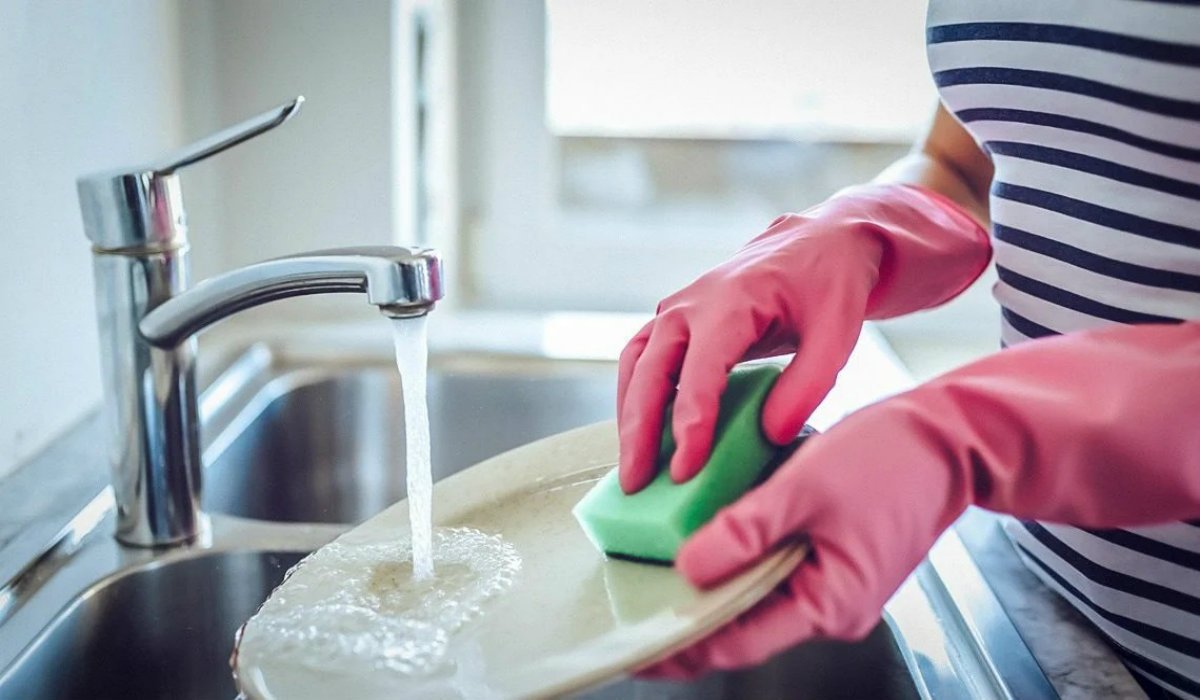
Let’s use washing dishes as an example. The usual approach: get up, turn on the water, quickly lather, rinse, dry. All of this is accompanied by irritation: “Why are there so many dishes?” Alternative: light an aromatic candle (cheap but pleasant), place your phone on the windowsill with meditative music or a podcast playing. You lather each plate slowly and with feeling, noticing the texture of the lather, the warmth of the water, the shine of the cleaned surface. You don’t try to finish quickly—you live these ten minutes as an act of caring for yourself and your home. Surprisingly, in this mode, there’s no urge to give up halfway through. Moreover, the best ideas often come during this process—because your conscious mind is in a light trance, and your subconscious is working at full capacity.
For those living in the UK, with its tradition of “quiet hour” and love of rituals (think of five o’clock tea), this approach is especially relatable. We already know that a beautiful ceremony changes the perception of a simple action. Why not apply this to cleaning? Buy yourself a special apron for housework—a beautiful one, perhaps embroidered. Get a separate cleaning cloth that feels good in your hands. Create a playlist that you only play while you’re cleaning—energizing but not annoying. Over time, your brain will begin to associate these external stimuli with a pleasant flow state. And even if you don’t feel like starting at first, just put on your favorite apron and turn on some music—and the process will begin naturally.