Category:

Hobbies

advertisement

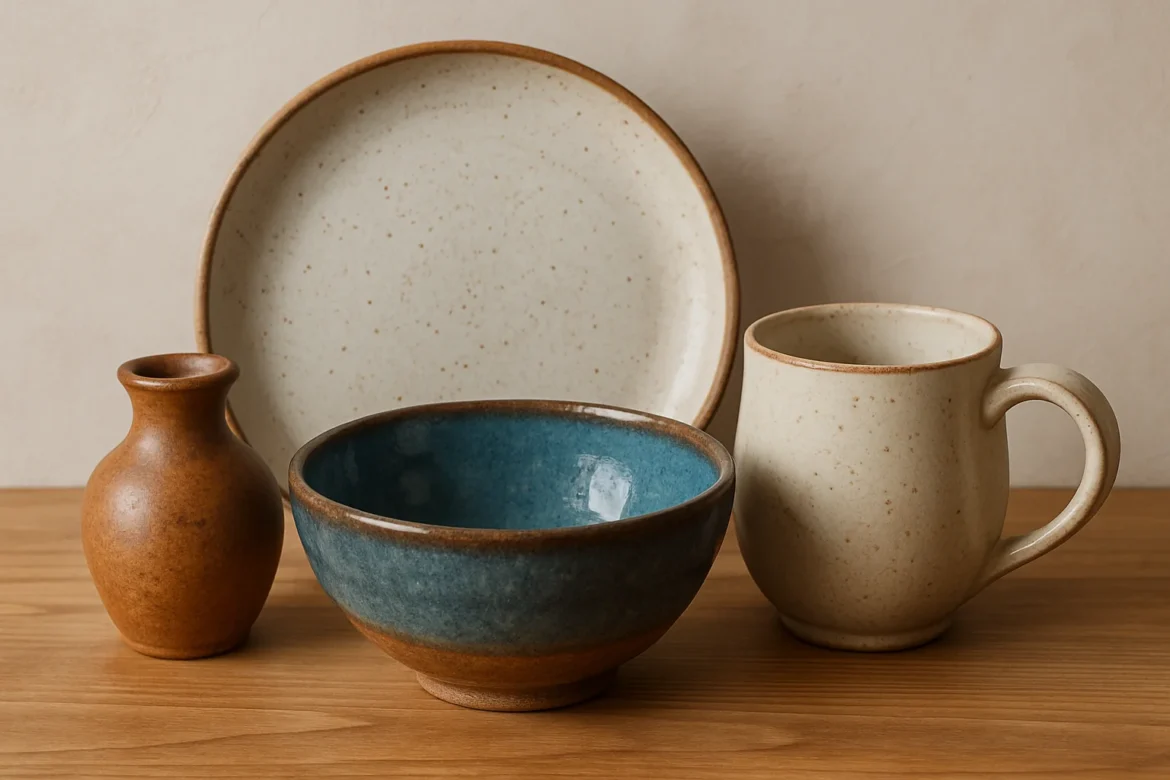
We live in a world where almost every aspect of life demands speed, precision, and perfection. It’s no surprise that more and more people in the UK are turning to a hobby that is the polar opposite of digital culture—hand-sculpting clay. Pottery studios have been opening across the country at such a rapid pace over the past three years that London’s Hackney district has become known as the “Ceramic Quarter.” What’s so special about this mixture of earth and water? The answer lies in its tactility and embrace of imperfection. When your hands sink into the cool, pliable mass, you literally ground yourself, returning to something primal that lived within people even before the invention of writing.

Ceramics is unique in that it unites four elements: earth (clay), water (for moisture), air (drying and firing), and fire (kiln). Working with clay is endless—it rarely deteriorates, making it forgiving of beginner mistakes. There are three main techniques: sheet molding (rolling the clay with a rolling pin like dough and cutting out shapes), hand molding (using pinched pots), and, of course, the potter’s wheel—the same one that spins and hypnotizes in movies. Getting started doesn’t require anything complicated: just buy a small lump of clay (at an art store like Cass Art or even on Amazon) and try molding a simple cup without a wheel, layering rings on top of each other. The sensation of the clay sliding between your fingers, cool and silky, is comparable only to stress-relieving toys, but a thousand times deeper and more meaningful.

The psychological effects of ceramics are so powerful that some clinics in the UK are already incorporating it into art therapy programs for patients with anxiety disorders and PTSD. It’s not just that you’re busy with your hands and distracted from obsessive thoughts. Clay is a material that demands you be present in the moment. The moment you’re distracted by your phone or worrying about tomorrow’s presentation, the side of your pot will collapse or turn out crooked. This fleeting failure instantly brings you back to reality: “Oh, I pressed too hard here.” But most importantly, clay teaches you to embrace imperfection. Your first mug will likely be asymmetrical, with a jagged edge and a strange handle, reminiscent of an ear after a fight. And that’s wonderful. Because you made it yourself, it will still hold your tea, and your friends will say, “It has a special charm.”

Pages: 1 2

advertisement

Stargazing is one of humanity’s oldest pastimes, but in the lit-up British cities, it seems nearly impossible. London, Birmingham, and Leeds—the sky above them often appears as a whitish void, barely visible from a few bright stars. But the paradox is that amateur astronomy has been booming in the last decade. Sales of entry-level telescopes have increased by 300% since the pandemic, and the Royal Astronomical Society is registering a record number of new members. It turns out you don’t need to retire to a remote Scottish village to fall in love with the sky—all you need is to know where to look and have a little patience. Astronomy in the city is the art of seeing the invisible.

The most common question from beginners is: “What can I actually see with an amateur telescope from my garden in the Manchester suburbs?” The answer will surprise you: a lot. The Moon, of course, is accessible in all its glory—the craters Tycho and Copernicus are visible even through the cheapest binoculars. Jupiter and its four Galilean moons look like a tiny disco ball, and its bands and the Great Red Spot are visible in good conditions. Saturn, the king of all first-time observations, displays its rings even at 30x magnification, causing an almost childlike delight in the viewer. The planets aren’t dimmed by urban light pollution because they are naturally bright. Nebulae and galaxies are more challenging, but there are tricks here too: using filters or observing with so-called “astroclubs” that travel to dark areas like North York Moors National Park.

The key rule for the urban amateur astronomer is to start small and not try to buy “the most powerful telescope.” Marketing often misleads, promising 600x magnification, but in practice, atmospheric shimmer and thermals over rooftops limit useful magnification to 200-250x for planets and 100-150x for the deep sky. The ideal first instrument for a British citizen is either a good pair of 10×50 binoculars (inexpensive, portable, and allows you to look not only upwards but also at birds) or a Dobsonian telescope with an aperture of 150-200mm. The latter costs around £300-400, is easily assembled in five minutes, and produces images that transform our understanding of the cosmos. Many clubs offer “open dome nights,” where you can try out different models before forking out the cash for your own instrument.

But astronomy isn’t just about technique; it’s also a culture of patience and planning. In Britain, with its changeable weather, clouds are an observer’s greatest enemy. The secret to success is not hoping for “one perfect night,” but rather tuning in to short “windows of clarity” lasting 20-30 minutes. Mobile apps like Clear Outside or Nightshift provide hourly cloud and humidity forecasts, accurate to a specific postcode. See a green slot for 1:00 AM in the app? Quickly drag the telescope out to the balcony, let it cool to the outside temperature (otherwise, thermal vibration will ruin the picture), and point it east—the next planet will rise. This thrill of the hunt adds a thrill to the activity, making you appreciate every clear moment.

Pages: 1 2

advertisement

When you think of knitting, you probably picture a grandmother in a rocking chair, methodically knitting an old wool sweater. Forget that stereotype. Knitting is experiencing a massive resurgence today, especially among young Britons aged 18 to 35. The hashtag #knitting garners billions of views on Instagram and TikTok, and London cafes are filled with “knight-nights”—meetings where men with beards and women in vintage sweaters drink matcha and knit colorful octopuses for premature babies. How did this ancient craft, requiring patience and monotonous work, suddenly become a symbol of modern, mindful leisure?

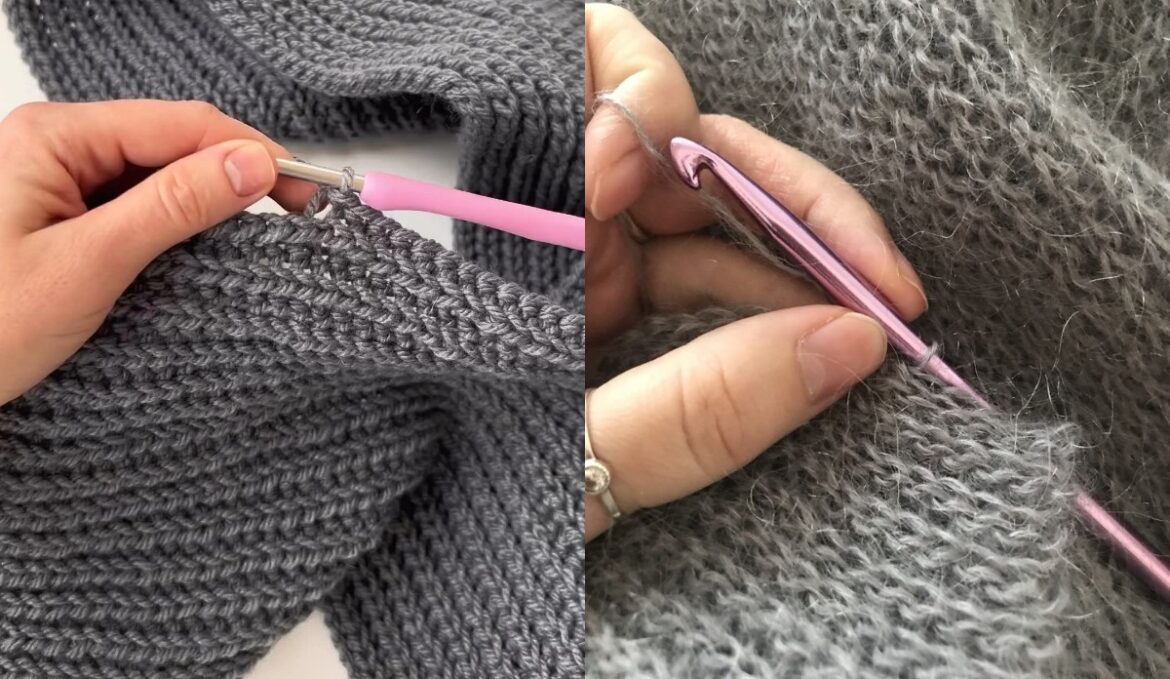
The answer lies in neurobiology and the ever-increasing pace of life. When you hold knitting needles and yarn in your hands, your brain is forced to switch from multitasking to single-tasking. Rhythmic movements—yarn over, yarn over, knit, purl—act as a natural tranquilizer, reducing cortisol (the stress hormone) and stimulating the production of serotonin and dopamine. Moreover, research from the University of Manchester confirmed that twenty minutes of knitting reduces heart rate and relaxes muscles as effectively as fifteen minutes of meditation. But unlike sitting with your eyes closed, you ultimately achieve a physical result—a scarf, a hat, or even a whole blanket. This “tangible reward” effect is critical for a mind tired of virtual achievements.

The UK has a special relationship with knitting—remember the famous wool industries in Yorkshire and Scotland, where sheep have been bred for centuries. Today, this tradition is being revived by local spinning workshops, where you can bring wool from your own sheep (yes, in Wales, people keep sheep in their backyards) or buy eco-friendly yarn dyed with natural dyes like onion skins, turmeric, or indigo. And this isn’t just a hobby, it’s also a way to be mindful. Why not knit yourself a sweater that will last ten years instead of buying another quick-fashion polyester jumper? This is especially true in Britain, where the climate demands lots of warm layers.

For a beginner, the entry threshold is almost imperceptible. You’ll need knitting needles (it’s best to start with circular ones, as they’re more forgiving), a skein of medium-weight acrylic or wool blend yarn (such as Stylecraft Special DK—a British knitting classic), and access to YouTube, where thousands of video tutorials demonstrate cast-on stitches and the stockinette stitch. In just one evening, you’ll be able to knit a tiny square—a “swatch,” a test swatch—and see if you can do it. The main rule for the first few weeks: don’t try to knit a huge Aran sweater with complex cables. Start with a scarf or a simple headband. Mistakes will happen, and that’s okay—unraveling a few rows and starting over is not only not embarrassing, but even beneficial for developing neuroplasticity.

Pages: 1 2

advertisement

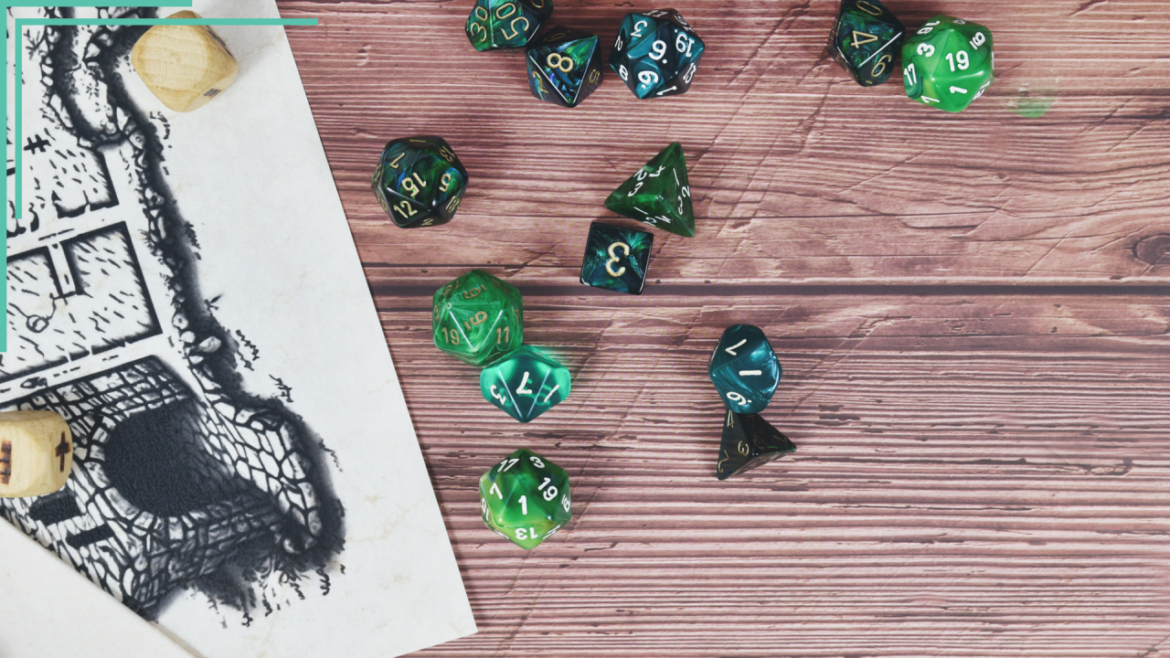
It might seem like there’s no point in gathering in a cramped living room with a pile of dice and sheets of paper when you can fire up a video game with stunning graphics and voice chat. However, the paradox of our times is that tabletop roleplaying games (RPGs) are experiencing an unprecedented renaissance in the UK, where people are tired of endless Zoom calls and screen time. Dungeons & Dragons, Pathfinder, Warhammer Fantasy Roleplay—these names are once again being heard in kitchens, pubs, and even libraries, where enthusiast clubs rent out rooms for multi-day campaigns. What’s so magical about sitting around a table with friends and shouting, “I attack the darkness!”?

The beauty of RPGs lies in their absolute flexibility and that very “human factor” that no software can simulate. Imagine: the game master describes a grimy tavern where a cloaked figure sits at a distant table. Instead of choosing from a drop-down list of responses, you decide whether to speak to the stranger, poison his ale, or stealthily search his upstairs room. And there’s no fixed script—the master improvises in response to your every action, creating a unique story that no one else can ever replicate. It’s a collaborative, collaborative effort, where failure is as exciting as success, because it’s often the mistakes that lead to the most memorable moments.

For a British reader raised on the works of Tolkien, Pratchett, and Gaiman, the world of roleplaying games feels surprisingly familiar. Many beginning groups choose settings based on English folklore—with wood elfs, banshees, and enchanted groves. There are even systems specifically designed for Victorian detective stories or Outlander-style adventures. But the most important thing is the social aspect. In an age where we increasingly text without seeing the faces of our conversation partners, role-playing games force us to look into their eyes, read their body language, and laugh at a bad joke in person. Psychologists from Oxford recently published a study showing that regular RPG sessions reduce loneliness by 40% and increase overall life satisfaction.

How can a newbie take the first step if none of their friends have ever held a twenty-sided die? The most reliable way is to visit a local board game store, which has proliferated across the country in recent years, from London’s Orc’s Nest to Edinburgh’s Black Lion. There, they’ll not only sell you a D&D starter set (which, by the way, is hard to find in Russian, but the original is perfectly translated into English), but they’ll also point you to open tables—parties looking for players. Alternatively, there are hundreds of video tutorials and podcasts online, the most famous of which, Critical Role, has attracted millions of viewers worldwide. Just don’t be intimidated by the skill of professional actors: your home game doesn’t have to be as dramatic. All it takes is one enthusiastic GM and three or four friends over a few beers.

Pages: 1 2

advertisement

In an age of concrete jungles and sprawling metropolises, many UK residents, particularly in London, Manchester, and Birmingham, are increasingly craving a living, green corner. But what if, instead of a traditional garden, you only have a tiny balcony or a palm-sized windowsill? The answer comes from an unexpected source: vertical gardening. This technique, originating in Japan and Scandinavia, allows you to transform bare walls, radiator grilles, and even old staircases into lush ecosystems. Imagine: sipping your morning coffee under the shade of drooping ivy or the scent of basil grown right above your kitchen sink. This isn’t just a hobby, but a true green revolution on the scale of a single apartment.

A vertical garden is based on a simple principle: plants are placed not in horizontal pots, but in special pockets, modules, or on trellises, using gravity to their advantage. The most accessible option for a beginner is to purchase fabric shoe organizers with transparent pockets, fill them with lightweight growing medium, and attach them to the wall of a balcony. More advanced enthusiasts install hydroponic systems with automatic watering, which can be connected to a humidity sensor via a smartphone—a bit of a gimmick, but the results are astounding. Ferns, chlorophytums, and easy-to-grow succulents, which can survive even the notorious Manchester climate with its perpetual rainfall, are especially popular among British urban gardeners.

However, the main benefit of this hobby lies far beyond aesthetics. Research from the University of Reading has shown that vertical gardens can reduce indoor dust levels by as much as 20% and also absorb volatile organic compounds emitted by furniture and plastic. For allergy sufferers, this can be a real lifesaver—provided you choose the right species, of course. Furthermore, green walls naturally regulate humidity, eliminating the need for expensive humidifiers in the winter when you turn on the central heating. You literally create your own microclimate, and it’s incredibly fascinating to watch.

For those skeptical about their green thumbs, there are ready-made starter kits available at any garden center like Dobbies or even online stores like Crocus. These kits typically include a recycled plastic frame, felt pockets, starter fertilizer, and seeds for self-propagating groundcover plants. I recommend starting with three or four modules to avoid overcrowding the wall and to allow you to experiment with watering. A friend of mine from Bristol transformed the narrow hallway of her Victorian apartment into a veritable herb hallway: she planted a cascade of low-growing herbs along it, and now every guest first gasps and then asks for cuttings.

Pages: 1 2

advertisement