Category:

Recipe

advertisement

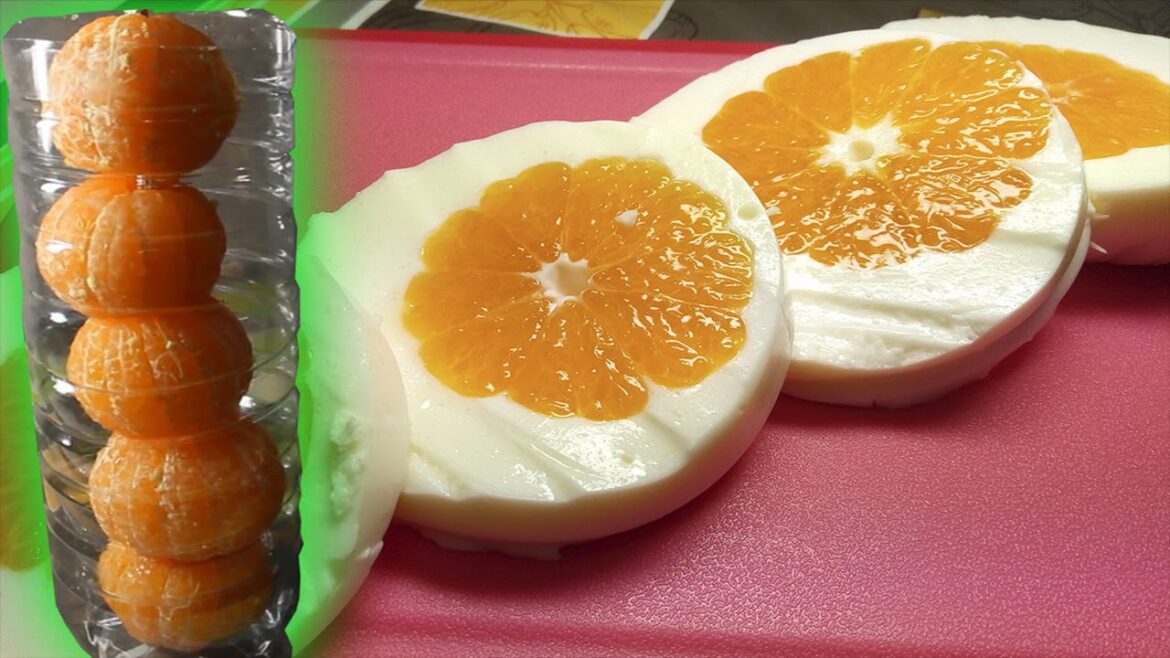
In an era where every other blogger is baking layered cakes with mirror glaze, the only way to truly stand out is with a truly incredible presentation. And that’s where the absolute hit of recent years comes in: the no-bake lemon-chocolate bottle cake. This dessert literally shatters the expectations of what a sweet dish should look like on the table. It doesn’t require an oven, complicated pastry tools, or even the ceremonious removal of the cake layers—instead, guests are served a tall, transparent bottle with two bright, contrasting creams frozen in layers inside. A surprise effect is guaranteed.

The preparation of this dessert is more reminiscent of a chemistry experiment than traditional baking, but believe me, that only adds to the charm. It’s made with two creams: lemon and chocolate, each thickened with cornstarch and gelatin. For the lemon layer, finely grate a fresh lemon, removing only the zest (the white pith inside is bitter and will ruin the flavor), and then squeeze out all the juice. Sugar, a pinch of turmeric for a bright, sunny color, and a little starch are added to the juice and zest. This mixture is boiled on the stove until it becomes a thick syrup. The turmeric isn’t noticeable, but it transforms the ordinary lemon layer into a true work of art.

Meanwhile, prepare the base for the chocolate cream: heat milk with eggs, sugar, and vanilla until thickened, like making custard, and stir in finely chopped dark chocolate. Gelatin, dissolved in a small amount of water, is added to both creams while they are still warm to maintain flexibility. Important: the mixtures shouldn’t be too runny, but they shouldn’t set too soon either. Then, alternately pour the chocolate and lemon creams into the chosen bottle (preferably a clear, smooth, non-textured bottle with a wide neck, such as a milk or juice bottle), chilling each layer in the refrigerator until completely set before adding the next.
Pages: 1 2

advertisement

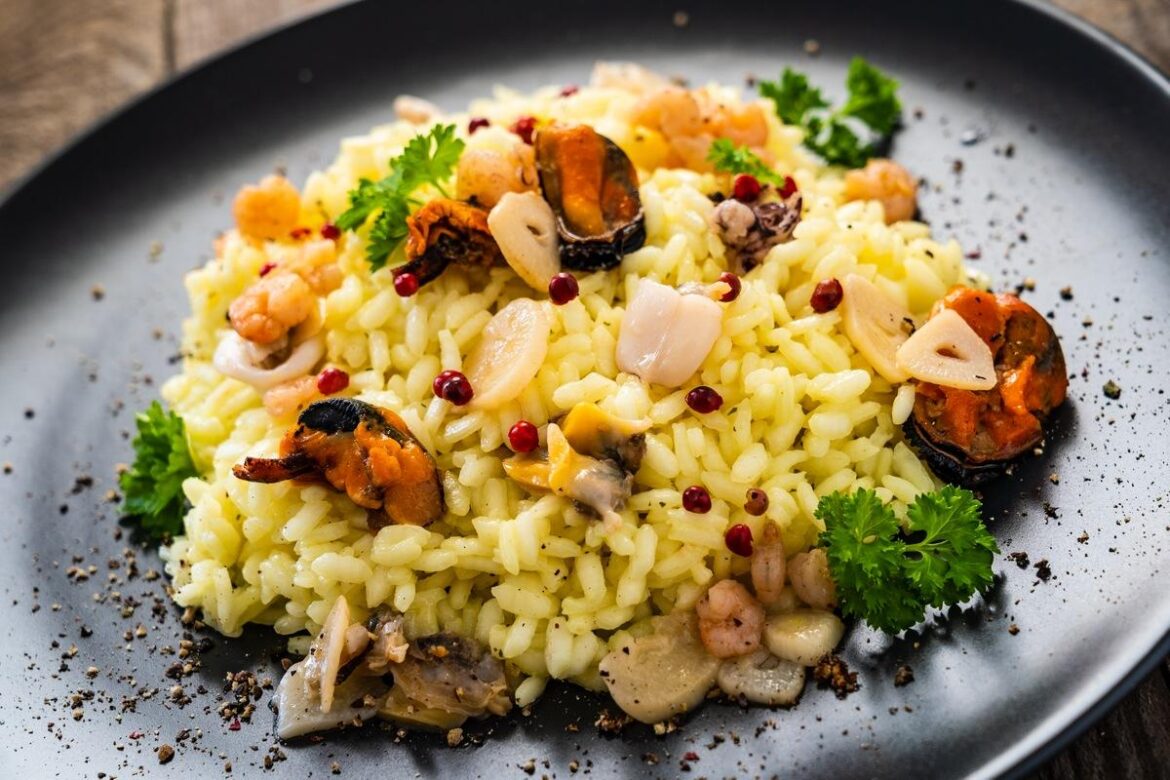
Traditional Uzbek lamb pilaf is undoubtedly a cult dish, but why not reimagine it? The idea of ​​combining fluffy rice with the aroma of the sea seems blasphemous only at first glance. In fact, seafood pilaf exists in several cuisines around the world, from Spanish paella to Indonesian nasi goreng. And each time, it creates a completely new, self-contained dish that surpasses its meat counterpart in its lightness and elegance. For the British Isles, surrounded by water, this recipe makes perfect sense: we have access to fresh fish and shellfish, so why not use them in the familiar and beloved pilaf format?

The most important thing to understand before you begin cooking: seafood does not tolerate prolonged cooking. While lamb needs to simmer for hours to become tender, shrimp or mussels are ready in just 3-5 minutes. Therefore, the technique changes: first, fry the onions and carrots, cut into long strips, in hot oil (preferably a mixture of vegetable oil and ghee for a creamy flavor) until golden brown. Then add the prepared seafood—king prawns, peeled mussels, squid rings, and perhaps some white fish. Fry for no more than two minutes, stirring constantly, until they develop a crust but remain juicy inside.

Next, add the well-washed rice (preferably long-grain jasmine or basmati) to a cauldron or deep frying pan. Add boiling water to cover the rice by two fingers, and season with spices. Classic pilaf retains cumin, barberry, and turmeric (for color), but these are complemented by saffron for a sophisticated aroma, a pinch of paprika for sweetness, and, most importantly, lemon zest. Lemon zest and fresh garlic, pierced into the rice, work wonders: they remove any possible fishy odor, add a frosty freshness, and highlight the natural sweetness of the shellfish. Some chefs also recommend adding half a glass of dry white wine to the broth—as it evaporates, it will preserve the fruity notes in the rice.

Pages: 1 2

advertisement

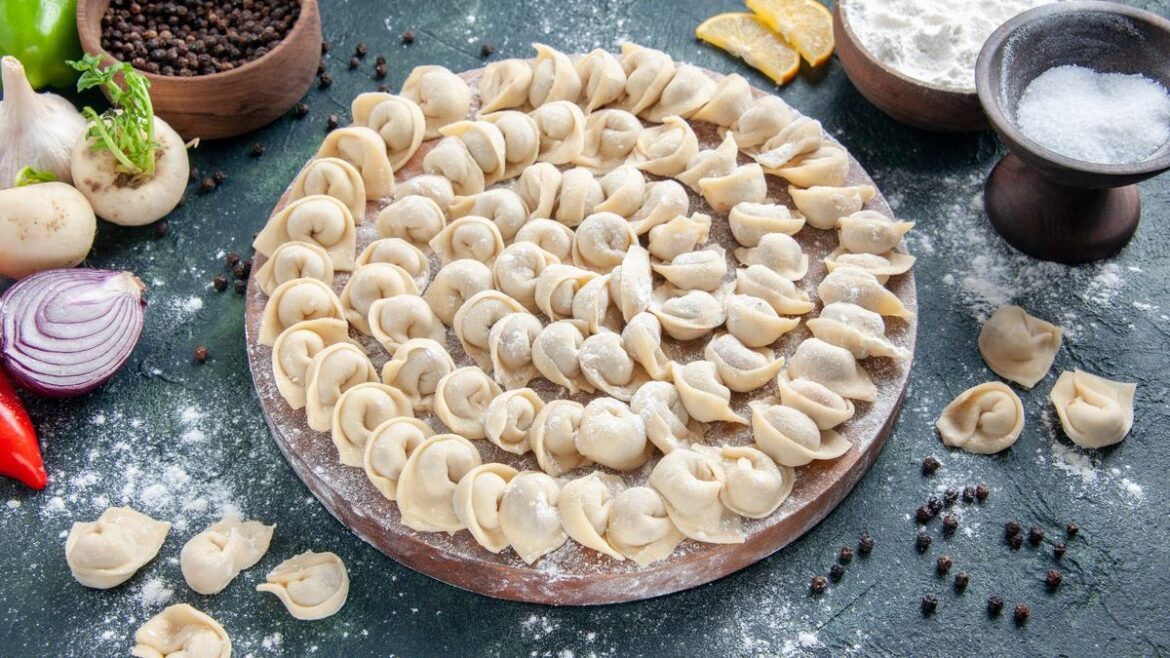
Dumplings are seemingly the ultimate symbol of meat cuisine. However, modern culinary experiments prove otherwise: this semi-finished product can be the most diverse and creative form of culinary expression. Chefs around the world have long used pelmeni dough as a versatile shell for the most unexpected fillings, and they eagerly share the results of their discoveries with enthusiasts. Even those who avoid animal products or simply want to diversify their menu will find unusual ideas in this selection that can transform dull everyday life into a mini-festival of taste. The main rule here is: the bolder the experiment, the more vivid the impression.

The first option, which breaks all stereotypes about vegetarian cuisine, is a filling with mushrooms and lentils. Finely chop champignons or any wild mushrooms and sauté with onions and garlic until the liquid has evaporated, then mix with cooked lentils. The lentils give the filling that meaty density and heartiness so essential for a complete dinner. Thyme and black pepper add depth to the flavor, and a drop of soy sauce brings out the umami notes. These dumplings are surprisingly juicy, and their forest aroma is reminiscent of long walks through the Scottish moors.

For those who aren’t afraid of sweet notes in their main dishes, pumpkin and ginger dumplings are a great choice. Baked pumpkin is mashed in a blender or masher until tender, then topped with freshly grated ginger, nutmeg, and a pinch of ground cinnamon. The resulting mixture has a bright golden color and a delicate, creamy texture that holds its shape when cooked, not falling apart. These dumplings are delicious served alone with melted butter and pumpkin seeds, or as a side dish with roast game or baked turkey. In Britain, where pumpkin is primarily associated with Halloween, this recipe will help you discover its culinary potential in a new way.

Pages: 1 2

advertisement

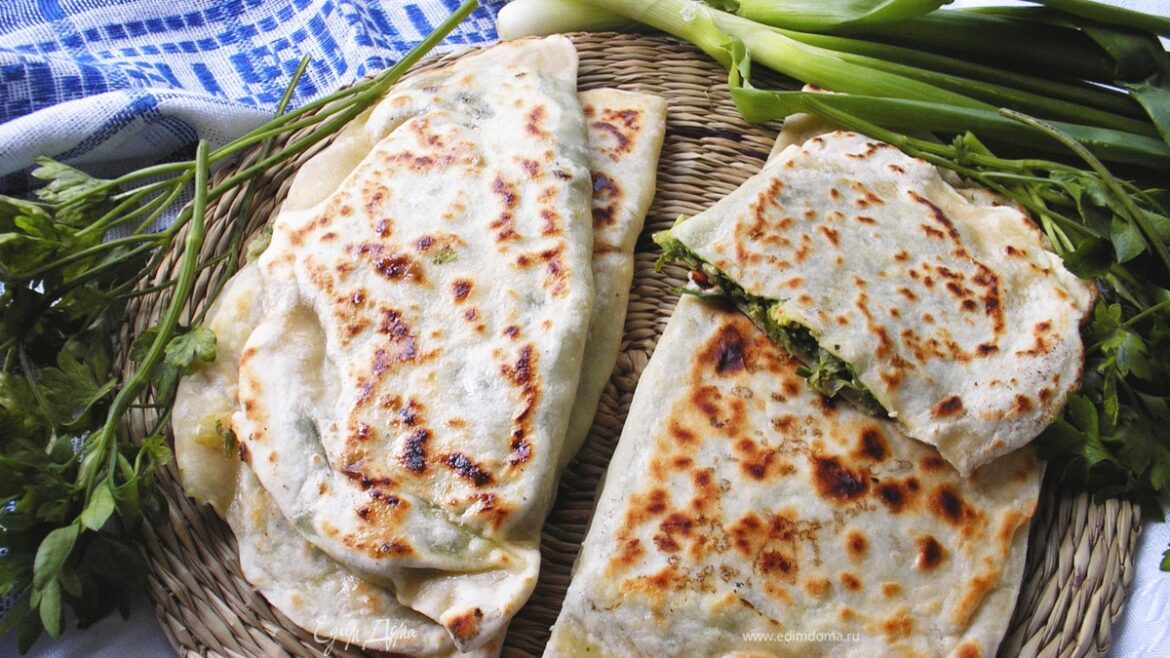
Do you ever find yourself in a situation where the fridge seems completely empty in the evening, and you have neither the energy nor the desire to go to the supermarket? The magic of the cuisines of the former Soviet Union comes to the rescue: Azerbaijani kutabs with potatoes. These thin, semi-circular flatbreads made of unleavened dough are made with ingredients that any British family always has in their pantry: flour, water, salt, butter, and a few potatoes. The result is so delicious and filling that an ordinary dinner turns into a gastronomic experience worthy of a restaurant. Kutabs are fried in a dry frying pan until golden brown and then generously brushed with melted butter—that’s their secret.

The secret to the perfect kutabs dough lies in the right consistency. Dissolve salt in warm water and add a couple tablespoons of vegetable oil—this will make the dough pliable and prevent it from breaking during frying. Gradually add flour to the liquid, stirring constantly, until the dough no longer sticks to your hands. The finished dough should have the consistency of an earlobe—soft, elastic, but not sticky. After kneading, let it rest under plastic wrap for half an hour: during this time, the gluten swells and the dough becomes even more pliable. For busy amateur cooks, this is the perfect pause to chop vegetables or peel potatoes.

The filling for qutabs is a realm of minimalism and flavor. Potatoes are boiled in their skins or peeled until completely soft, then mashed with a knob of butter, black pepper, and—most importantly!—a generous amount of fried onions. The onion is finely diced and sautéed in vegetable oil until deep golden brown and begins to exude that recognizable “restaurant” aroma. Some chefs also recommend adding fresh herbs (dill, parsley, or green onions) and a few cloves of garlic pressed through a press. But even the simplest option—potatoes, onions, and oil—produces such a harmonious flavor that you don’t want to overpower it with additional ingredients.

The process of assembling the kutabs is somewhat reminiscent of making large dumplings or chebureki. The rested dough is divided into eight to ten equal parts, each of which is rolled out into a very thin circle about the diameter of a saucer. A tablespoon of potato filling is placed on one half of the circle, spreading it into a thin layer about half a centimeter thick, leaving about a half-centimeter from the edges. Then fold the flatbread in half and carefully pinch the edges, trying to squeeze out all the excess air. For extra security, you can run a fork along the edge or create a decorative seam—this will not only decorate the dish but also prevent it from falling apart during frying.

Pages: 1 2

advertisement

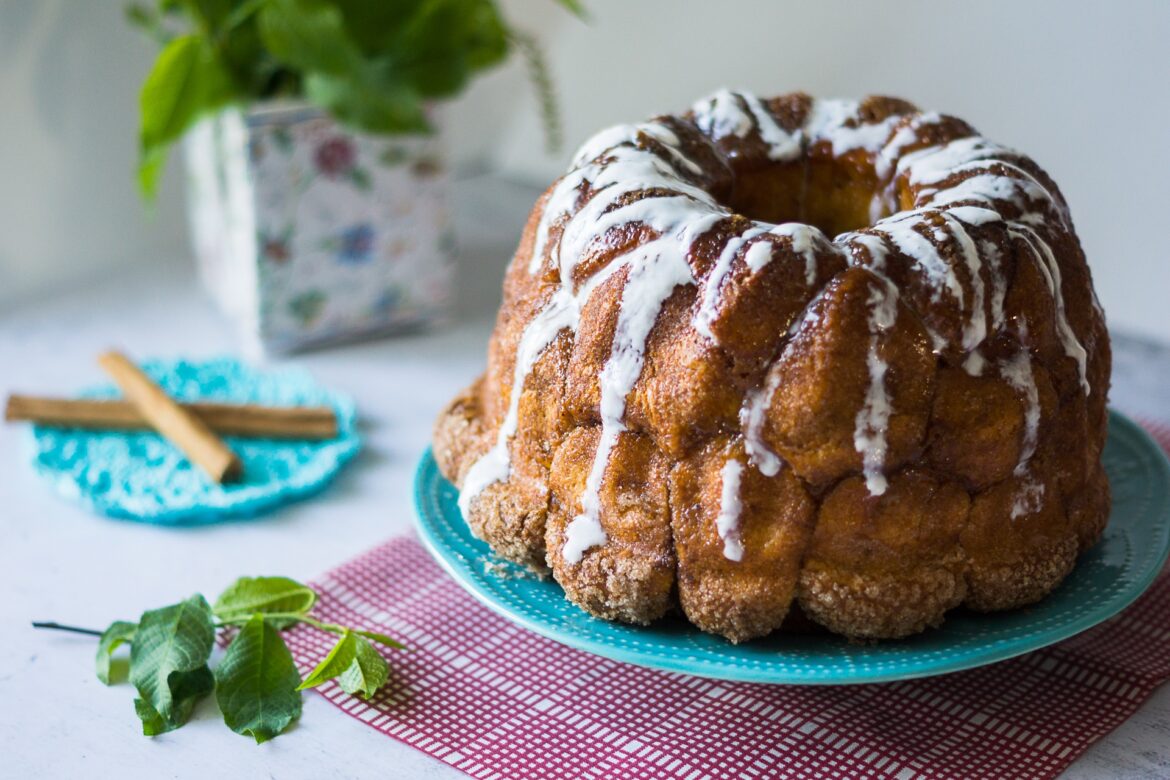
Forget strict pans and pizza cutters—today we’re making a pastry that’s best eaten with your hands, breaking off golden slices as you go. We’re talking about an incredible dessert called “Monkey Bread,” which originated in American home cooking but has already won the hearts of gourmets around the world. Despite the name, there’s nothing exotic about the ingredients: these are airy yeast dough buns stacked into a tall tower, drenched in caramel, butter, and aromatic cinnamon. Each piece of the pie remains incredibly soft on the inside, but is covered in a crisp, sugary crust that simply melts on the tongue. What was originally a joke among housewives trying to replicate the Eastern dessert has evolved into a cult recipe that now graces coffee shops from London to Edinburgh.

The fun begins with the assembly process. Unlike traditional pies, where the dough is layered, here, small balls of dough are dipped in melted butter and then generously coated in a mixture of brown sugar and ground cinnamon. Finely chopped walnuts or pecans are often added to the classic recipe, but for an autumnal twist, apples are best used: they are finely diced, lightly caramelized in a pan with lemon juice and sugar, and then mixed with the dough balls. This addition gives the pie a slight tartness and fruity juiciness that perfectly balances the dense sweetness of the caramel. Experts recommend choosing sweet and tart varieties, such as Bramley, as they don’t fall apart when heated and hold their shape even after a long simmer in the oven.

The kneading process itself is very patient and almost meditative. For the dough, you’ll need warm milk, a couple of tablespoons of sugar, dry yeast, and half the flour. This mixture should sit for about fifteen minutes to activate the yeast. Then add the remaining flour, an egg, soft butter, and a pinch of salt. The dough is kneaded for at least ten minutes until it’s completely elastic—it should be as soft as an earlobe. After this, the future “Monkey Bread” is left to rise in a warm place, covered with a towel. The beauty of this hobby is that it can easily be combined with everyday activities: while the dough is fermenting, you can cook dinner, catch up on mail, or just have some tea.

Pages: 1 2

advertisement