
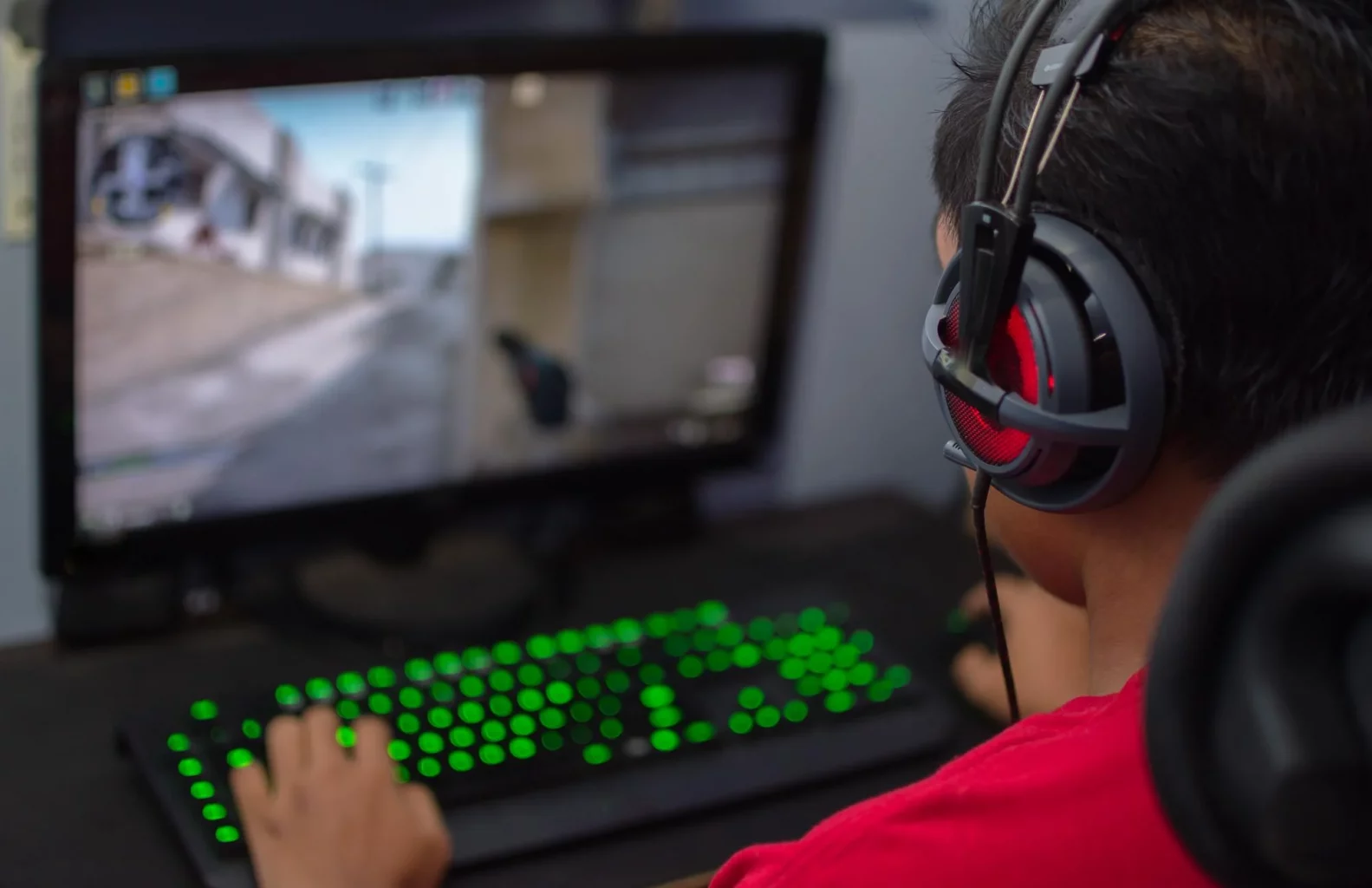
The symptoms of this crisis are everywhere today. Following the banners of championship trophies, headlines about early retirements are increasingly common, with world-class players disappearing without ever fulfilling their natural potential. Experts are sounding the alarm: the industry needs systemic changes, including mandatory days off, a full-time psychologist for every tier-one team, and long-term post-playing career planning. Significantly, some European organizations have pioneered “silent periods,” when the internet and all electronic lighting are turned off at training facilities for an hour, forcing players to communicate or simply relax without screens.
A constructive approach to this issue is demonstrated, for example, by the VALORANT Champions Tour, which has implemented a flexible schedule and increased breaks between splits (season sections). Analysts note that the training process itself has changed along with the calendar: AI coaching, which we will discuss separately, helps distribute the workload, and teams have begun to utilize integrative medicine practices. However, the problem of demographic imbalance remains acute. The race for prize money has become so uncompromising that newcomers from “bubble teams” (support teams) are often forced to train more than the stars, perpetuating a vicious cycle of financial and mental burnout.
Against this backdrop, other processes are unfolding in the UK. Local universities are launching esports psychology programs, and the national association British Esports is actively promoting a “green code” for young talent, which includes mandatory ten-minute breaks for every hour of play. While progress in this direction is obvious, it is still too slow to save the generation of players who began their careers in the aggressive environment of the mid-twenties. The parents of those same teenagers who today dream of signing with Fnatic are increasingly demanding that academies provide guarantees of psychological safety, not just in-game progress.
One way or another, an understanding is emerging: the future of sport lies not in the mindless churn of mechanics, but in the ability to maintain a clear mind in the heat of competition. Shifting to a more humane approach is not only the responsibility of organizers but also a strategic move: a fresh player without neuroses will bring far more value to a team than an exhausted prodigy whose talent is wasted in a season. The fate of esports as an industry depends on whether club owners learn to see their players not simply as click-tracking robots, but as multifaceted individuals in need of support and the right to rest.