
Another powerful technique is the “five things” technique. Choose a room and find five misplaced items. Just five, no more. The goal is to return them to their proper places. This takes less than a minute, but it moves the sticking point. Often, after removing these five items, you notice a sixth, a seventh… and, without realizing it, you tidy up without any internal resistance. Why does this work? Because our brains are afraid of “cleaning the entire room”—it’s too abstract and broad. But “cleaning five things” is a concrete and easy task that doesn’t trigger defense mechanisms. It’s like forcing yourself to read one page of a book, and then not even realizing you’ve finished the chapter.
In motivational psychology, there’s a concept called “snacking”—breaking large tasks into tiny ones that can be consumed quickly, without feeling overwhelmed. For cleaning, it looks like this: instead of “clean the kitchen,” you set tasks like “wipe the counter,” “vacuum the rug by the cat’s bowl,” or “fold a clean towel.” Each of these micro-tasks is a small victory that registers in your mind. It’s very helpful to keep a list of what you’ve accomplished, rather than a list of what’s yet to be accomplished. At the end of the day, look at the list: “Cleaned the dishes, wiped the sink, wiped the faucet”—it looks like a significant amount of work, even though it only took seven minutes. A sense of progress is the best driver of intrinsic motivation.
A great way to add excitement is a race track. Time your usual time to clean the bathroom. Next time, try to beat the record. Or compete with a partner to see who can fold the laundry the fastest. You can even keep a high-score table on the refrigerator. Of course, it’s important not to sacrifice quality for speed, but a healthy sense of competition awakens the parts of the brain responsible for excitement. Then, a routine task feels like a challenge, not a chore. The main thing is to remember to reward yourself after each successful “race.” The reward can be small: one candy, five minutes of scrolling through funny videos, or a chance to read in silence.
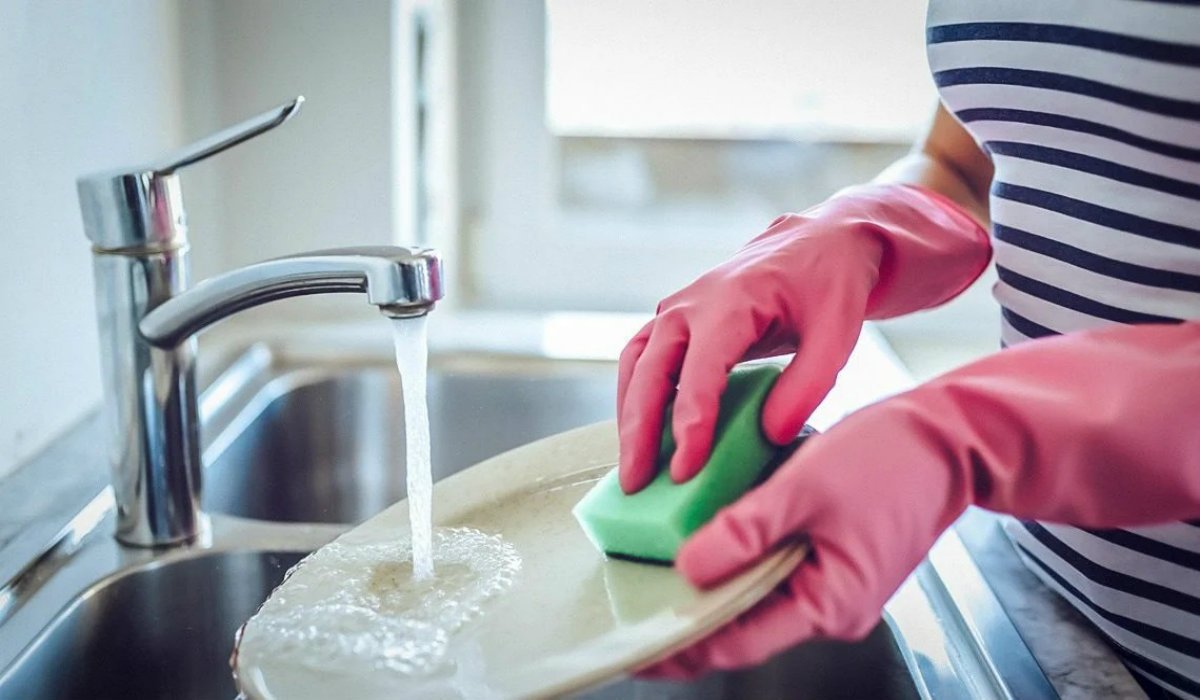
Ultimately, the secret to motivating yourself to do boring tasks is simple: don’t expect to wake up one day and love washing dishes. Accept that it will never become your favorite chore—but stop hating it. Take every opportunity to embellish it with details you enjoy. Good music, an interesting podcast, nice gloves, even just your favorite color of sponge—all of these things increase your chances of getting started and sticking with it. And remember: if you’ve completed one boring task, you’re one step closer to being able to lie down on the couch with a clear conscience, leaving the chaos behind. That’s true motivation—the anticipation of a relaxing break without the background anxiety of “unfinished business.”