
Author

Ronald Bradley

advertisement

When spectators in the stands at Wembley Stadium chant “BLAST Open London” in honor of the Counter-Strike 2 final, and Wall Street investors discuss the stock prices of gaming holdings, the figures are so impressive they’re comparable to the budgets of small countries. According to analytics, the global esports market, valued at approximately $2.55 billion in 2025, is projected to grow to $7.25 billion by 2030, growing at an impressive 23% annually. It was against this backdrop that the Mayor of London stated in the fall of 2025 that hosting tournaments like BLAST Open boosts the capital’s economy by £30 million: tickets, hotels, transfers, and meals for thousands of fans make the competitions a powerful driver for small and medium-sized businesses. Behind the glare of the spotlight and exorbitant prize money, however, lies a complex, fragile industry, where funding winters alternate with mergers and acquisitions springs.

The main stumbling block for any professional team is the classic problem of a narrow business model. For a long time, most clubs existed solely on sponsorship contracts and prize money, making them like fragile tech startups that needed to be sold to investors without ever reaching a stable breakeven point. However, the situation is changing dramatically: game developers are beginning to directly share revenue with league participants. A prime example is 2025, when Riot Games paid VALORANT Champions Tour teams over $100 million as a direct share of skin sales and media rights. This move proved a lifesaver for many teams that had faltered during the “industrial winter,” when outside investment dried up and roster costs continued to rise.

In the search for stability, organizations are learning to diversify risks. The leadership of Rocket League champion Karmine Corp is banking not only on tournament victories but also on extensive merchandise, content for its own academy, and hosting home LAN events. Sponsors, in turn, are also evolving: following in the footsteps of peripheral and energy drink manufacturers, betting companies are entering the industry. In mid-2025, Riot Games officially authorized partnerships with licensed betting brands for top League of Legends and VALORANT teams, clarifying, however, that there will be no direct advertising on jerseys or during broadcasts. This delicate balancing act between morality and commerce symbolizes the maturation of an entire entertainment sector.

Pages: 1 2

advertisement

The most powerful motivation is useless if you can’t take the first step. The problem isn’t a lack of desire—everyone has desire. The problem is the gap between intention and action. This gap is filled by fear, doubt, and procrastination. But neuroscientists have discovered a surprising phenomenon: if you manage to initiate an action within five seconds of thinking about it, your chances of following through increase exponentially. This is the so-called “five-second rule,” coined by American TV host Mel Robbins and later confirmed by research. When you silently count “5-4-3-2-1” and immediately move, you trick your brain, preventing it from activating its defense mechanisms. Counting is a distraction that breaks you out of analysis paralysis.

How can this be applied in real life, for example, in sports? Imagine you’re lying on the couch after work, knowing you need to get dressed and go for a run, but your body won’t listen. Start a countdown: five… four… three… two… one… and get up. Without thinking, head to the closet and put on your sneakers. By the time you tie your laces, the critical window has passed—you’re already in the process, and it’s easier for your brain to agree to continue than to fight it. The same goes for cleaning, a difficult conversation, paying bills—any task that provokes internal resistance. The five-second rule doesn’t make the task enjoyable, but it does make it automatic, eliminating the agonizing hesitation.

For the British mentality, with its famous politeness and fear of seeming intrusive, this rule is especially valuable in social situations. Want to invite a colleague for coffee but are afraid of being rejected? Count to five and begin the sentence, not giving yourself time to imagine catastrophic scenarios. Want to join a gym but feel self-conscious about your form? Five seconds and you’ve already dialed the number. The paradox is that anxiety is usually stronger than the event itself. As soon as the action is initiated, the brain switches from “what if?” to “how can I solve this problem right now?” And it almost always turns out that the fears were greatly exaggerated.

Pages: 1 2

advertisement

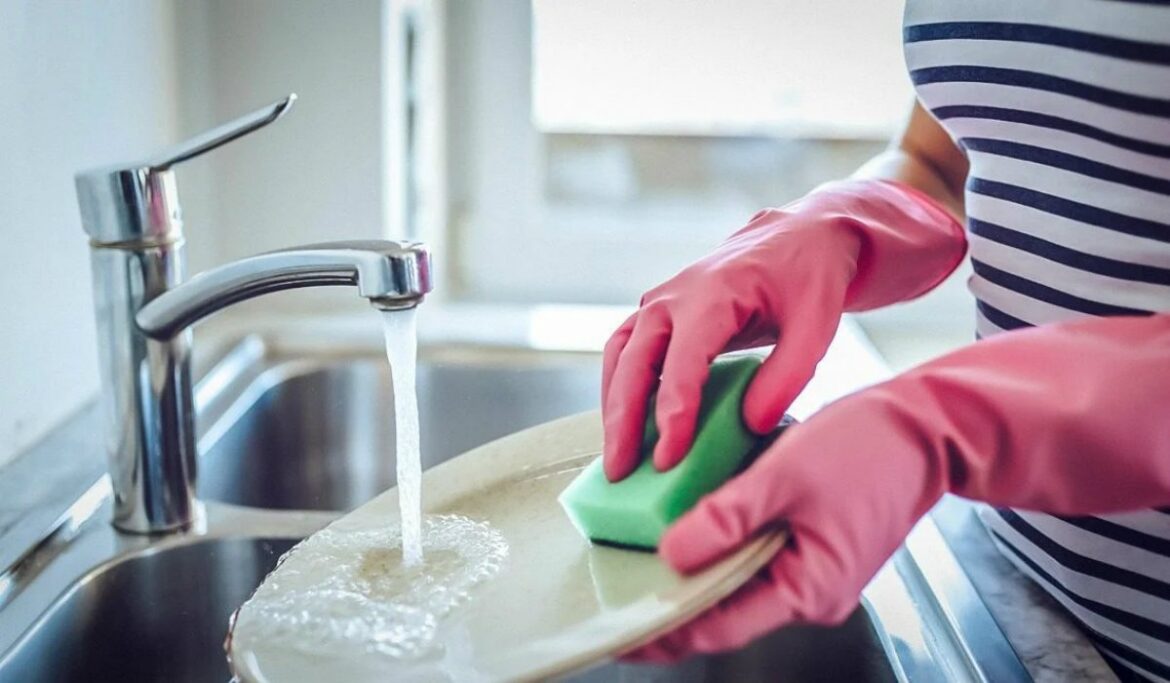
Washing dishes, folding clothes, dusting—these tasks are so routine that our brain automatically labels them as “a waste of time.” And this is despite the fact that they make up 80% of our daily routine. It’s a paradox: we dream of great accomplishments, yet stumble over a mountain of dirty dishes in the sink. However, psychologists claim that any routine task can be transformed into a source of pleasure and even inspiration by adding an element of mindfulness and… theatricality. The key word here is “ritual.” A ritual differs from a routine in that it is imbued with meaning, which you give it yourself.

Let’s use washing dishes as an example. The usual approach: get up, turn on the water, quickly lather, rinse, dry. All of this is accompanied by irritation: “Why are there so many dishes?” Alternative: light an aromatic candle (cheap but pleasant), place your phone on the windowsill with meditative music or a podcast playing. You lather each plate slowly and with feeling, noticing the texture of the lather, the warmth of the water, the shine of the cleaned surface. You don’t try to finish quickly—you live these ten minutes as an act of caring for yourself and your home. Surprisingly, in this mode, there’s no urge to give up halfway through. Moreover, the best ideas often come during this process—because your conscious mind is in a light trance, and your subconscious is working at full capacity.

For those living in the UK, with its tradition of “quiet hour” and love of rituals (think of five o’clock tea), this approach is especially relatable. We already know that a beautiful ceremony changes the perception of a simple action. Why not apply this to cleaning? Buy yourself a special apron for housework—a beautiful one, perhaps embroidered. Get a separate cleaning cloth that feels good in your hands. Create a playlist that you only play while you’re cleaning—energizing but not annoying. Over time, your brain will begin to associate these external stimuli with a pleasant flow state. And even if you don’t feel like starting at first, just put on your favorite apron and turn on some music—and the process will begin naturally.

Pages: 1 2

advertisement

“I hate running. Every time I try to start, my knees hurt, I get out of breath, and I feel like a clumsy hippopotamus.” Sound familiar? That’s your brain trying to conserve energy and avoid discomfort at all costs. But the truth is, the problem isn’t you or the exercise—it’s the gap between effort and reward. Running, swimming, and strength training don’t produce immediate results. You won’t see toned muscles after your first trip to the gym, or lose a stone in one run. But your brain needs the here and now. So how can you trick it and make it enjoy movement? The answer lies in dopamine anchors and shifting your focus from “how hard this is” to “how awesome it will be after just 10 minutes.”

Let’s start with the most important thing: never force yourself to run long and fast from the start. Use the “lazy intervals” technique: 30 seconds of very slow jogging or even brisk walking, followed by 1 minute of leisurely walking. Repeat 5-6 times. Why does this magically reduce aversion? Because you never push yourself to the point of “I’m out of breath and want to die.” You stay in a zone of mild discomfort that your brain doesn’t yet classify as a threat. Gradually, week after week, you increase your work intervals and shorten your breaks. And one day, you realize you’ve run for 20 minutes without stopping—and it didn’t feel like hell. The secret isn’t willpower, but bypassing the fear system through a back door.

In British weather, where rain and wind are common, motivation for outdoor workouts is especially fragile. So on rainy days, give yourself permission to try something different. Home workouts aren’t a compromise, but a complete replacement. There are hundreds of free YouTube programs from British trainers (e.g., Joe Wicks, The Body Coach) that last 15-20 minutes and require no equipment. Jumping jacks, squats, burpees—all of these can be done in the living room while the kettle boils. Make a rule: if it’s pouring rain, don’t cancel your workout, but replace it with a short session at home. Better 15 minutes at home than zero minutes outside. Perfectionism kills progress, while small victories build habits.

Pages: 1 2

advertisement

If the word “cleaning” makes you feel lazy and want to crawl under the covers, you’re not alone. For many Brits juggling work, family, and personal time, the thought of spending the weekend with a duster and vacuum cleaner seems like a death sentence. But what if I told you that you can keep your home in perfect order by spending just fifteen minutes a day? And it’s not magic or a miracle cure. It’s a technique psychologists call the “Pomodoro Technique” for household chores. You choose one small area—a desk drawer, a cupboard shelf, the kitchen sink—and devote exactly fifteen minutes to it. No distractions, no phone, no multitasking. Use a timer.

Why does this work better than the traditional “everything at once” approach? Because the volume is daunting, while a small section isn’t. Spring cleaning presupposes chaos: you take things out of closets, move furniture, and at some point it seems like the mess has only gotten worse. This is demotivating and kills enthusiasm. The “15-minute” method, however, exploits the effect of gestalt completion. When the timer goes off, you stop, even if you’re not finished. Paradoxically, this relieves resistance: you know the ordeal won’t last forever. And often, once you start, you get hooked and continue by your own volition, because you see the result—a clean corner that pleases the eye.

How can you implement this system if you live in a small apartment in London or a house with a garden in Kent? The secret is rotation. Make a list of 10-15 micro-zones in your home: a bookshelf, a shoe cabinet, a refrigerator, the area under the sink, windowsills. Choose one zone each day, based on your mood, or alternate between them. Monday: declutter the desk, Tuesday: dust the radiators, Wednesday: sort socks. You’ll be amazed how each part of your home gets its share of attention over the course of a month, and you’ll never feel overwhelmed by a wave of cleaning aversion. And most importantly, you’ll stop feeling guilty about “not getting everything done.” Because everyone has fifteen minutes, even the busiest surgeon or mom on maternity leave.

Pages: 1 2

advertisement

Have you ever noticed how difficult it is to get out of bed when the sky is gray and drizzling outside? Your alarm went off ten minutes ago, and you’re still lying there, mentally going over a to-do list that seems overwhelming. The secret to morning energy isn’t iron willpower or gallons of coffee. It’s a small, almost imperceptible ritual that psychologists call a “five-minute victory.” It’s about performing one simple but concrete action immediately after waking up that will break the chain of procrastination. You don’t need to plan an hour-long workout or a thorough cleaning—just make your bed, drink a glass of water with lemon, or take five deep breaths. This micro-action sends the signal to your brain: “I’m in control, the morning has begun.”

Why does this work from a neurobiological perspective? Our brain is inherently lazy: it strives to conserve energy and avoid uncertainty. When you wake up and immediately grab your phone, you’re entering a passive mode of information consumption, which only heightens the sense of chaos. But as soon as you perform a physical action requiring minimal effort, a chain reaction is triggered in the prefrontal cortex. Dopamine, the reward hormone that gives us a sense of satisfaction from completing a task, even a small one, is released. And this feeling pushes you to the next small step: perhaps today you’ll not only make your bed but also take out the trash, and tomorrow you’ll decide to do some light exercise.

This strategy is especially relevant for those working from home, which has become commonplace for many residents of Manchester, Bristol, and Glasgow. When your workspace is two meters from your bedroom, the boundaries between rest and work blur. Your morning ritual becomes an anchor separating sleep from wakefulness. Try introducing a “no screens for the first half hour” rule. Instead of checking email or scrolling through social media, dedicate this time to yourself: take a contrast shower, cook a nutritious breakfast, or simply sit with a cup of tea and look out the window. You’ll be surprised, but even ten minutes of quiet time without digital noise can dramatically change your emotional outlook for the entire day.

Pages: 1 2

advertisement

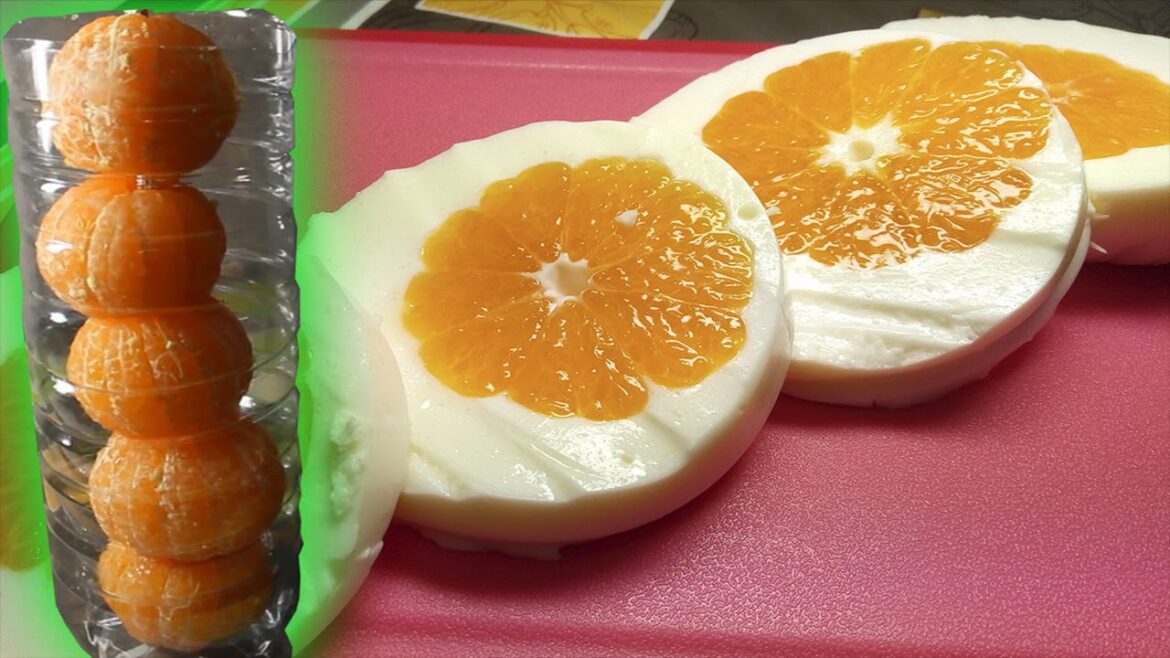
In an era where every other blogger is baking layered cakes with mirror glaze, the only way to truly stand out is with a truly incredible presentation. And that’s where the absolute hit of recent years comes in: the no-bake lemon-chocolate bottle cake. This dessert literally shatters the expectations of what a sweet dish should look like on the table. It doesn’t require an oven, complicated pastry tools, or even the ceremonious removal of the cake layers—instead, guests are served a tall, transparent bottle with two bright, contrasting creams frozen in layers inside. A surprise effect is guaranteed.

The preparation of this dessert is more reminiscent of a chemistry experiment than traditional baking, but believe me, that only adds to the charm. It’s made with two creams: lemon and chocolate, each thickened with cornstarch and gelatin. For the lemon layer, finely grate a fresh lemon, removing only the zest (the white pith inside is bitter and will ruin the flavor), and then squeeze out all the juice. Sugar, a pinch of turmeric for a bright, sunny color, and a little starch are added to the juice and zest. This mixture is boiled on the stove until it becomes a thick syrup. The turmeric isn’t noticeable, but it transforms the ordinary lemon layer into a true work of art.

Meanwhile, prepare the base for the chocolate cream: heat milk with eggs, sugar, and vanilla until thickened, like making custard, and stir in finely chopped dark chocolate. Gelatin, dissolved in a small amount of water, is added to both creams while they are still warm to maintain flexibility. Important: the mixtures shouldn’t be too runny, but they shouldn’t set too soon either. Then, alternately pour the chocolate and lemon creams into the chosen bottle (preferably a clear, smooth, non-textured bottle with a wide neck, such as a milk or juice bottle), chilling each layer in the refrigerator until completely set before adding the next.

Pages: 1 2

advertisement

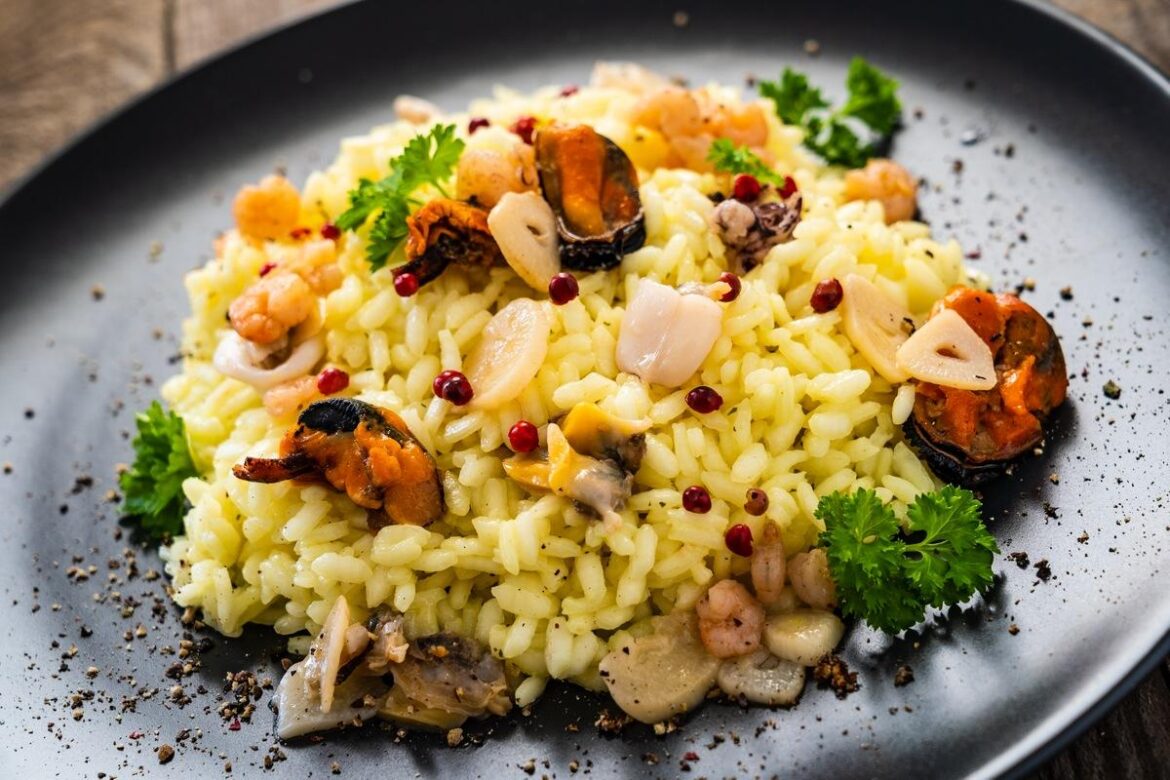
Traditional Uzbek lamb pilaf is undoubtedly a cult dish, but why not reimagine it? The idea of ​​combining fluffy rice with the aroma of the sea seems blasphemous only at first glance. In fact, seafood pilaf exists in several cuisines around the world, from Spanish paella to Indonesian nasi goreng. And each time, it creates a completely new, self-contained dish that surpasses its meat counterpart in its lightness and elegance. For the British Isles, surrounded by water, this recipe makes perfect sense: we have access to fresh fish and shellfish, so why not use them in the familiar and beloved pilaf format?

The most important thing to understand before you begin cooking: seafood does not tolerate prolonged cooking. While lamb needs to simmer for hours to become tender, shrimp or mussels are ready in just 3-5 minutes. Therefore, the technique changes: first, fry the onions and carrots, cut into long strips, in hot oil (preferably a mixture of vegetable oil and ghee for a creamy flavor) until golden brown. Then add the prepared seafood—king prawns, peeled mussels, squid rings, and perhaps some white fish. Fry for no more than two minutes, stirring constantly, until they develop a crust but remain juicy inside.

Next, add the well-washed rice (preferably long-grain jasmine or basmati) to a cauldron or deep frying pan. Add boiling water to cover the rice by two fingers, and season with spices. Classic pilaf retains cumin, barberry, and turmeric (for color), but these are complemented by saffron for a sophisticated aroma, a pinch of paprika for sweetness, and, most importantly, lemon zest. Lemon zest and fresh garlic, pierced into the rice, work wonders: they remove any possible fishy odor, add a frosty freshness, and highlight the natural sweetness of the shellfish. Some chefs also recommend adding half a glass of dry white wine to the broth—as it evaporates, it will preserve the fruity notes in the rice.

Pages: 1 2

advertisement

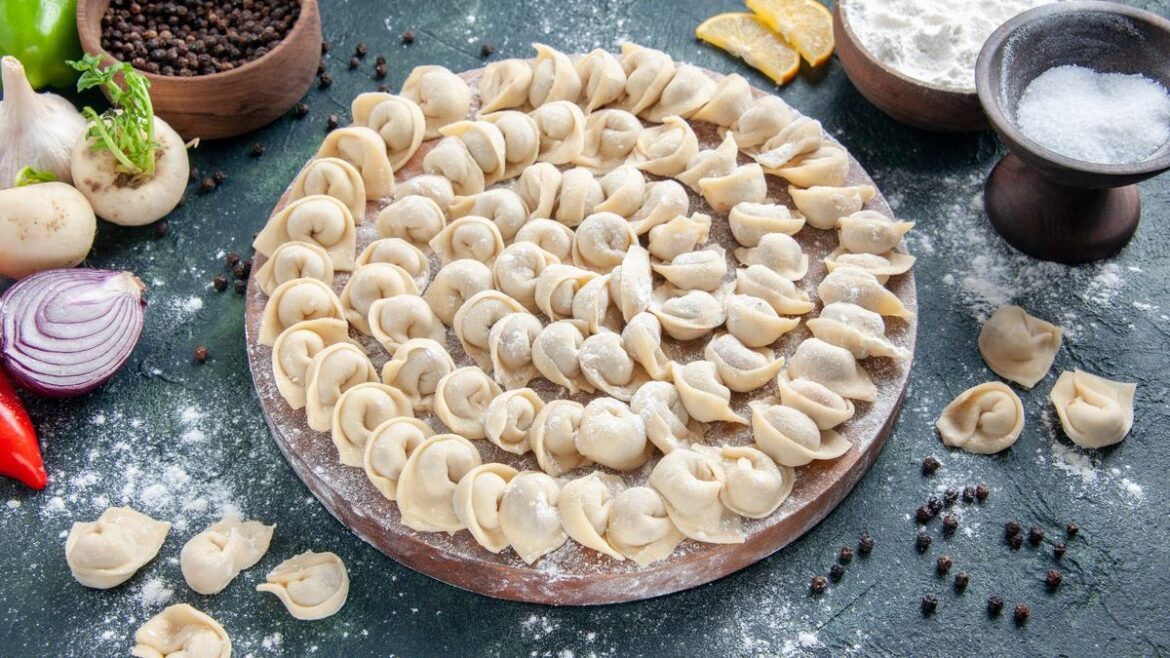
Dumplings are seemingly the ultimate symbol of meat cuisine. However, modern culinary experiments prove otherwise: this semi-finished product can be the most diverse and creative form of culinary expression. Chefs around the world have long used pelmeni dough as a versatile shell for the most unexpected fillings, and they eagerly share the results of their discoveries with enthusiasts. Even those who avoid animal products or simply want to diversify their menu will find unusual ideas in this selection that can transform dull everyday life into a mini-festival of taste. The main rule here is: the bolder the experiment, the more vivid the impression.

The first option, which breaks all stereotypes about vegetarian cuisine, is a filling with mushrooms and lentils. Finely chop champignons or any wild mushrooms and sauté with onions and garlic until the liquid has evaporated, then mix with cooked lentils. The lentils give the filling that meaty density and heartiness so essential for a complete dinner. Thyme and black pepper add depth to the flavor, and a drop of soy sauce brings out the umami notes. These dumplings are surprisingly juicy, and their forest aroma is reminiscent of long walks through the Scottish moors.

For those who aren’t afraid of sweet notes in their main dishes, pumpkin and ginger dumplings are a great choice. Baked pumpkin is mashed in a blender or masher until tender, then topped with freshly grated ginger, nutmeg, and a pinch of ground cinnamon. The resulting mixture has a bright golden color and a delicate, creamy texture that holds its shape when cooked, not falling apart. These dumplings are delicious served alone with melted butter and pumpkin seeds, or as a side dish with roast game or baked turkey. In Britain, where pumpkin is primarily associated with Halloween, this recipe will help you discover its culinary potential in a new way.

Pages: 1 2

advertisement

Do you ever find yourself in a situation where the fridge seems completely empty in the evening, and you have neither the energy nor the desire to go to the supermarket? The magic of the cuisines of the former Soviet Union comes to the rescue: Azerbaijani kutabs with potatoes. These thin, semi-circular flatbreads made of unleavened dough are made with ingredients that any British family always has in their pantry: flour, water, salt, butter, and a few potatoes. The result is so delicious and filling that an ordinary dinner turns into a gastronomic experience worthy of a restaurant. Kutabs are fried in a dry frying pan until golden brown and then generously brushed with melted butter—that’s their secret.

The secret to the perfect kutabs dough lies in the right consistency. Dissolve salt in warm water and add a couple tablespoons of vegetable oil—this will make the dough pliable and prevent it from breaking during frying. Gradually add flour to the liquid, stirring constantly, until the dough no longer sticks to your hands. The finished dough should have the consistency of an earlobe—soft, elastic, but not sticky. After kneading, let it rest under plastic wrap for half an hour: during this time, the gluten swells and the dough becomes even more pliable. For busy amateur cooks, this is the perfect pause to chop vegetables or peel potatoes.

The filling for qutabs is a realm of minimalism and flavor. Potatoes are boiled in their skins or peeled until completely soft, then mashed with a knob of butter, black pepper, and—most importantly!—a generous amount of fried onions. The onion is finely diced and sautéed in vegetable oil until deep golden brown and begins to exude that recognizable “restaurant” aroma. Some chefs also recommend adding fresh herbs (dill, parsley, or green onions) and a few cloves of garlic pressed through a press. But even the simplest option—potatoes, onions, and oil—produces such a harmonious flavor that you don’t want to overpower it with additional ingredients.

The process of assembling the kutabs is somewhat reminiscent of making large dumplings or chebureki. The rested dough is divided into eight to ten equal parts, each of which is rolled out into a very thin circle about the diameter of a saucer. A tablespoon of potato filling is placed on one half of the circle, spreading it into a thin layer about half a centimeter thick, leaving about a half-centimeter from the edges. Then fold the flatbread in half and carefully pinch the edges, trying to squeeze out all the excess air. For extra security, you can run a fork along the edge or create a decorative seam—this will not only decorate the dish but also prevent it from falling apart during frying.

Pages: 1 2

advertisement