
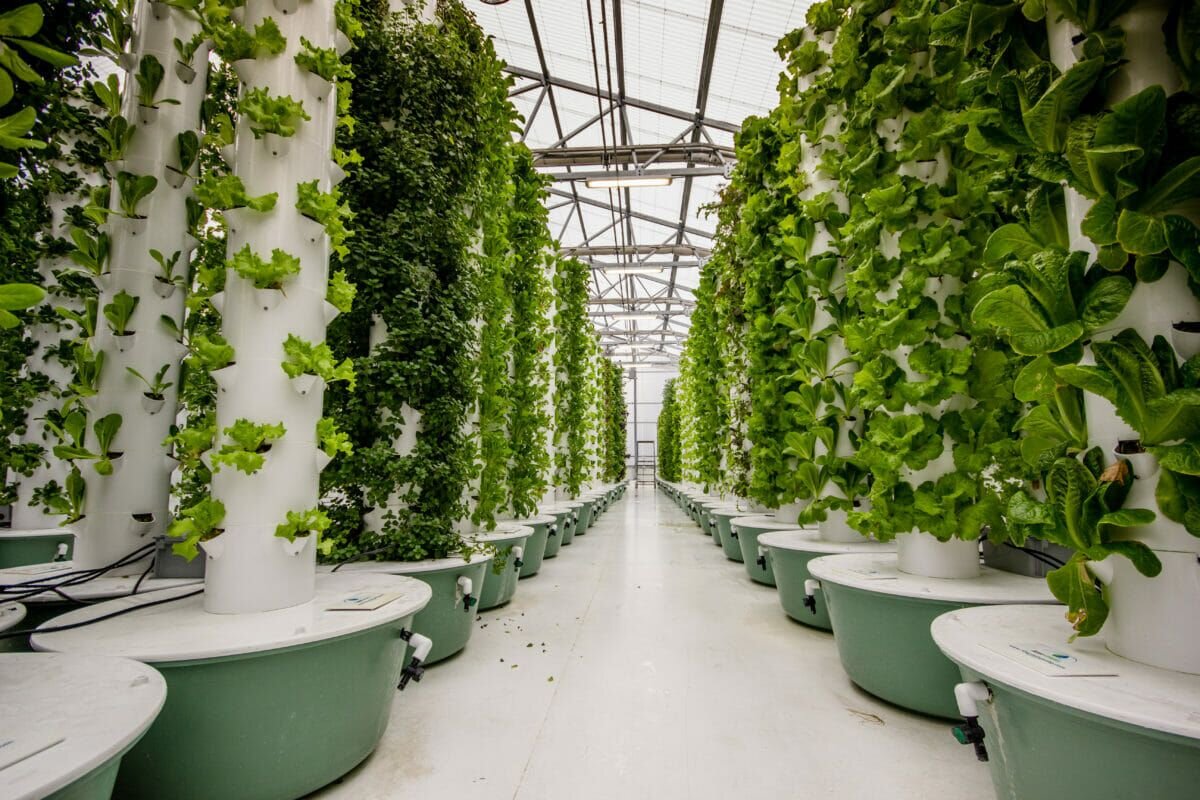
In an age of concrete jungles and sprawling metropolises, many UK residents, particularly in London, Manchester, and Birmingham, are increasingly craving a living, green corner. But what if, instead of a traditional garden, you only have a tiny balcony or a palm-sized windowsill? The answer comes from an unexpected source: vertical gardening. This technique, originating in Japan and Scandinavia, allows you to transform bare walls, radiator grilles, and even old staircases into lush ecosystems. Imagine: sipping your morning coffee under the shade of drooping ivy or the scent of basil grown right above your kitchen sink. This isn’t just a hobby, but a true green revolution on the scale of a single apartment.
A vertical garden is based on a simple principle: plants are placed not in horizontal pots, but in special pockets, modules, or on trellises, using gravity to their advantage. The most accessible option for a beginner is to purchase fabric shoe organizers with transparent pockets, fill them with lightweight growing medium, and attach them to the wall of a balcony. More advanced enthusiasts install hydroponic systems with automatic watering, which can be connected to a humidity sensor via a smartphone—a bit of a gimmick, but the results are astounding. Ferns, chlorophytums, and easy-to-grow succulents, which can survive even the notorious Manchester climate with its perpetual rainfall, are especially popular among British urban gardeners.
However, the main benefit of this hobby lies far beyond aesthetics. Research from the University of Reading has shown that vertical gardens can reduce indoor dust levels by as much as 20% and also absorb volatile organic compounds emitted by furniture and plastic. For allergy sufferers, this can be a real lifesaver—provided you choose the right species, of course. Furthermore, green walls naturally regulate humidity, eliminating the need for expensive humidifiers in the winter when you turn on the central heating. You literally create your own microclimate, and it’s incredibly fascinating to watch.
For those skeptical about their green thumbs, there are ready-made starter kits available at any garden center like Dobbies or even online stores like Crocus. These kits typically include a recycled plastic frame, felt pockets, starter fertilizer, and seeds for self-propagating groundcover plants. I recommend starting with three or four modules to avoid overcrowding the wall and to allow you to experiment with watering. A friend of mine from Bristol transformed the narrow hallway of her Victorian apartment into a veritable herb hallway: she planted a cascade of low-growing herbs along it, and now every guest first gasps and then asks for cuttings.