
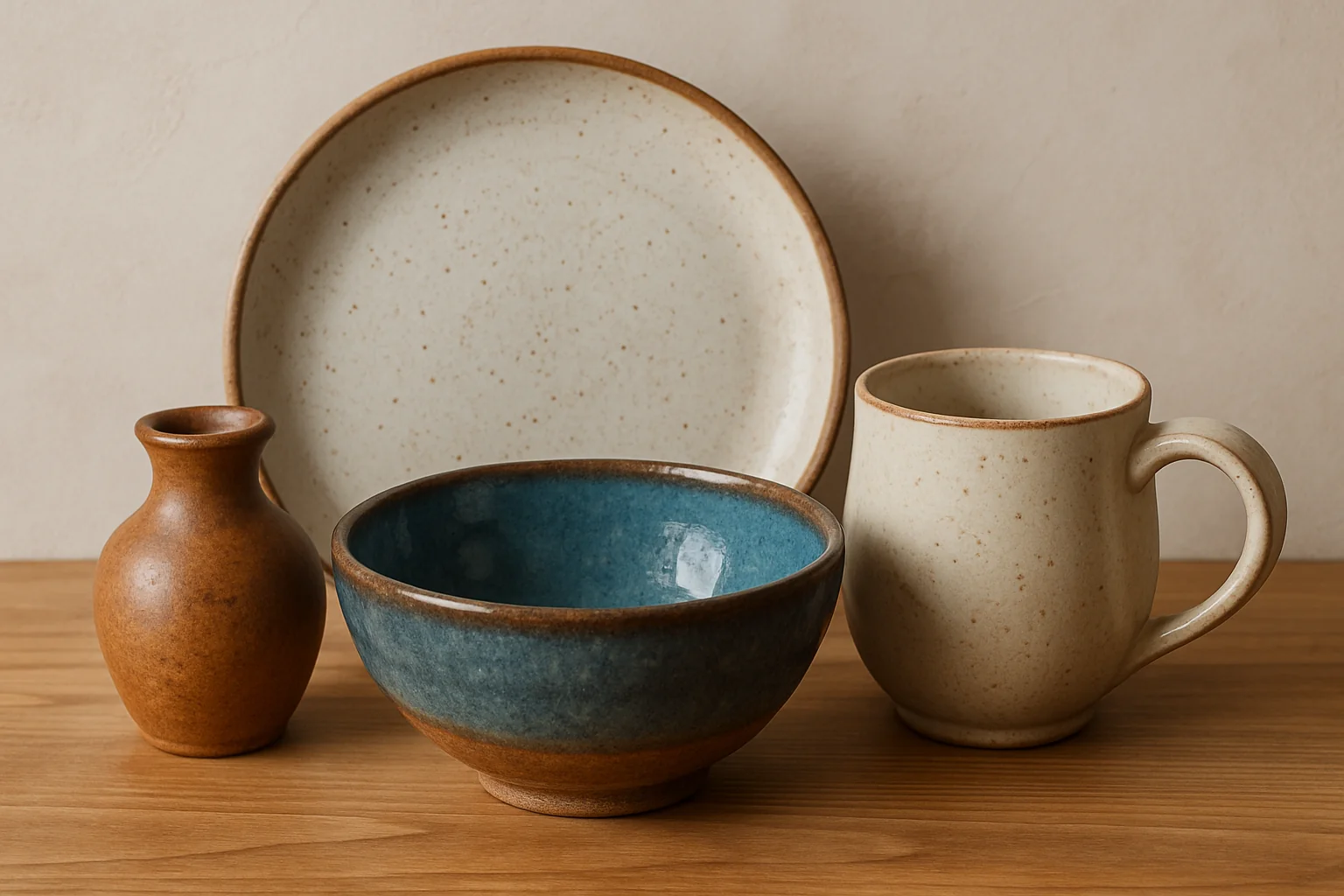
We live in a world where almost every aspect of life demands speed, precision, and perfection. It’s no surprise that more and more people in the UK are turning to a hobby that is the polar opposite of digital culture—hand-sculpting clay. Pottery studios have been opening across the country at such a rapid pace over the past three years that London’s Hackney district has become known as the “Ceramic Quarter.” What’s so special about this mixture of earth and water? The answer lies in its tactility and embrace of imperfection. When your hands sink into the cool, pliable mass, you literally ground yourself, returning to something primal that lived within people even before the invention of writing.
Ceramics is unique in that it unites four elements: earth (clay), water (for moisture), air (drying and firing), and fire (kiln). Working with clay is endless—it rarely deteriorates, making it forgiving of beginner mistakes. There are three main techniques: sheet molding (rolling the clay with a rolling pin like dough and cutting out shapes), hand molding (using pinched pots), and, of course, the potter’s wheel—the same one that spins and hypnotizes in movies. Getting started doesn’t require anything complicated: just buy a small lump of clay (at an art store like Cass Art or even on Amazon) and try molding a simple cup without a wheel, layering rings on top of each other. The sensation of the clay sliding between your fingers, cool and silky, is comparable only to stress-relieving toys, but a thousand times deeper and more meaningful.
The psychological effects of ceramics are so powerful that some clinics in the UK are already incorporating it into art therapy programs for patients with anxiety disorders and PTSD. It’s not just that you’re busy with your hands and distracted from obsessive thoughts. Clay is a material that demands you be present in the moment. The moment you’re distracted by your phone or worrying about tomorrow’s presentation, the side of your pot will collapse or turn out crooked. This fleeting failure instantly brings you back to reality: “Oh, I pressed too hard here.” But most importantly, clay teaches you to embrace imperfection. Your first mug will likely be asymmetrical, with a jagged edge and a strange handle, reminiscent of an ear after a fight. And that’s wonderful. Because you made it yourself, it will still hold your tea, and your friends will say, “It has a special charm.”