
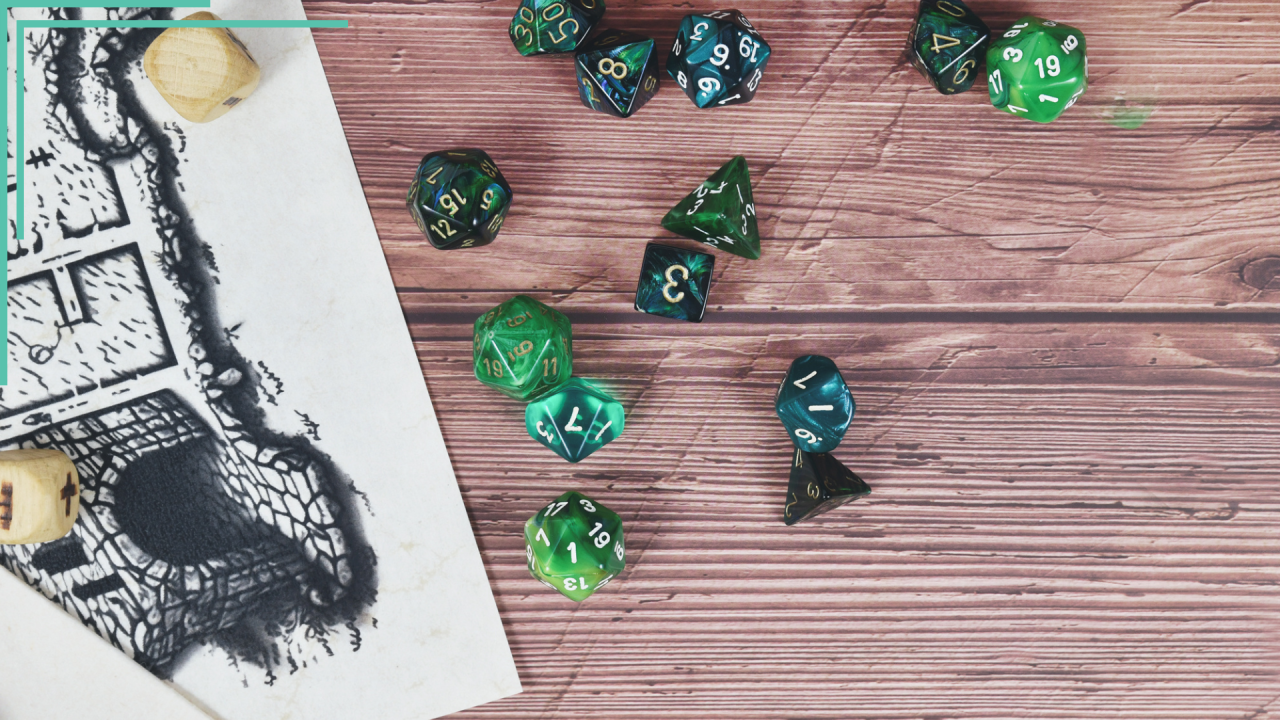
It might seem like there’s no point in gathering in a cramped living room with a pile of dice and sheets of paper when you can fire up a video game with stunning graphics and voice chat. However, the paradox of our times is that tabletop roleplaying games (RPGs) are experiencing an unprecedented renaissance in the UK, where people are tired of endless Zoom calls and screen time. Dungeons & Dragons, Pathfinder, Warhammer Fantasy Roleplay—these names are once again being heard in kitchens, pubs, and even libraries, where enthusiast clubs rent out rooms for multi-day campaigns. What’s so magical about sitting around a table with friends and shouting, “I attack the darkness!”?
The beauty of RPGs lies in their absolute flexibility and that very “human factor” that no software can simulate. Imagine: the game master describes a grimy tavern where a cloaked figure sits at a distant table. Instead of choosing from a drop-down list of responses, you decide whether to speak to the stranger, poison his ale, or stealthily search his upstairs room. And there’s no fixed script—the master improvises in response to your every action, creating a unique story that no one else can ever replicate. It’s a collaborative, collaborative effort, where failure is as exciting as success, because it’s often the mistakes that lead to the most memorable moments.
For a British reader raised on the works of Tolkien, Pratchett, and Gaiman, the world of roleplaying games feels surprisingly familiar. Many beginning groups choose settings based on English folklore—with wood elfs, banshees, and enchanted groves. There are even systems specifically designed for Victorian detective stories or Outlander-style adventures. But the most important thing is the social aspect. In an age where we increasingly text without seeing the faces of our conversation partners, role-playing games force us to look into their eyes, read their body language, and laugh at a bad joke in person. Psychologists from Oxford recently published a study showing that regular RPG sessions reduce loneliness by 40% and increase overall life satisfaction.
How can a newbie take the first step if none of their friends have ever held a twenty-sided die? The most reliable way is to visit a local board game store, which has proliferated across the country in recent years, from London’s Orc’s Nest to Edinburgh’s Black Lion. There, they’ll not only sell you a D&D starter set (which, by the way, is hard to find in Russian, but the original is perfectly translated into English), but they’ll also point you to open tables—parties looking for players. Alternatively, there are hundreds of video tutorials and podcasts online, the most famous of which, Critical Role, has attracted millions of viewers worldwide. Just don’t be intimidated by the skill of professional actors: your home game doesn’t have to be as dramatic. All it takes is one enthusiastic GM and three or four friends over a few beers.