
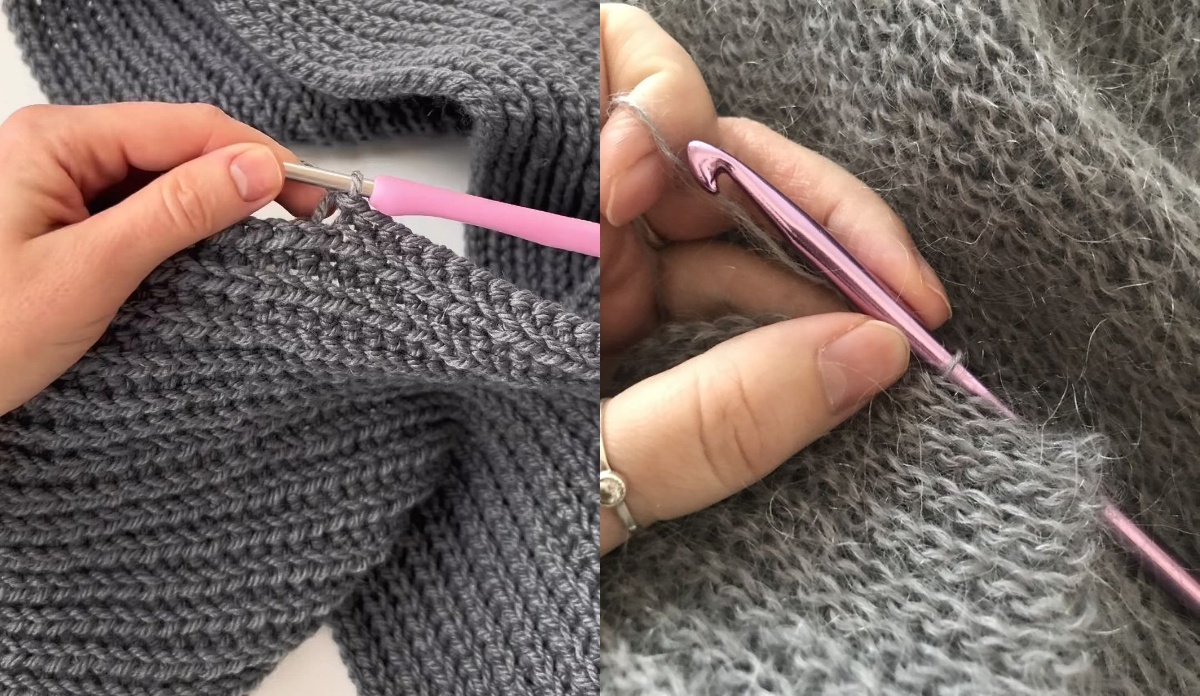
When you think of knitting, you probably picture a grandmother in a rocking chair, methodically knitting an old wool sweater. Forget that stereotype. Knitting is experiencing a massive resurgence today, especially among young Britons aged 18 to 35. The hashtag #knitting garners billions of views on Instagram and TikTok, and London cafes are filled with “knight-nights”—meetings where men with beards and women in vintage sweaters drink matcha and knit colorful octopuses for premature babies. How did this ancient craft, requiring patience and monotonous work, suddenly become a symbol of modern, mindful leisure?
The answer lies in neurobiology and the ever-increasing pace of life. When you hold knitting needles and yarn in your hands, your brain is forced to switch from multitasking to single-tasking. Rhythmic movements—yarn over, yarn over, knit, purl—act as a natural tranquilizer, reducing cortisol (the stress hormone) and stimulating the production of serotonin and dopamine. Moreover, research from the University of Manchester confirmed that twenty minutes of knitting reduces heart rate and relaxes muscles as effectively as fifteen minutes of meditation. But unlike sitting with your eyes closed, you ultimately achieve a physical result—a scarf, a hat, or even a whole blanket. This “tangible reward” effect is critical for a mind tired of virtual achievements.
The UK has a special relationship with knitting—remember the famous wool industries in Yorkshire and Scotland, where sheep have been bred for centuries. Today, this tradition is being revived by local spinning workshops, where you can bring wool from your own sheep (yes, in Wales, people keep sheep in their backyards) or buy eco-friendly yarn dyed with natural dyes like onion skins, turmeric, or indigo. And this isn’t just a hobby, it’s also a way to be mindful. Why not knit yourself a sweater that will last ten years instead of buying another quick-fashion polyester jumper? This is especially true in Britain, where the climate demands lots of warm layers.
For a beginner, the entry threshold is almost imperceptible. You’ll need knitting needles (it’s best to start with circular ones, as they’re more forgiving), a skein of medium-weight acrylic or wool blend yarn (such as Stylecraft Special DK—a British knitting classic), and access to YouTube, where thousands of video tutorials demonstrate cast-on stitches and the stockinette stitch. In just one evening, you’ll be able to knit a tiny square—a “swatch,” a test swatch—and see if you can do it. The main rule for the first few weeks: don’t try to knit a huge Aran sweater with complex cables. Start with a scarf or a simple headband. Mistakes will happen, and that’s okay—unraveling a few rows and starting over is not only not embarrassing, but even beneficial for developing neuroplasticity.