
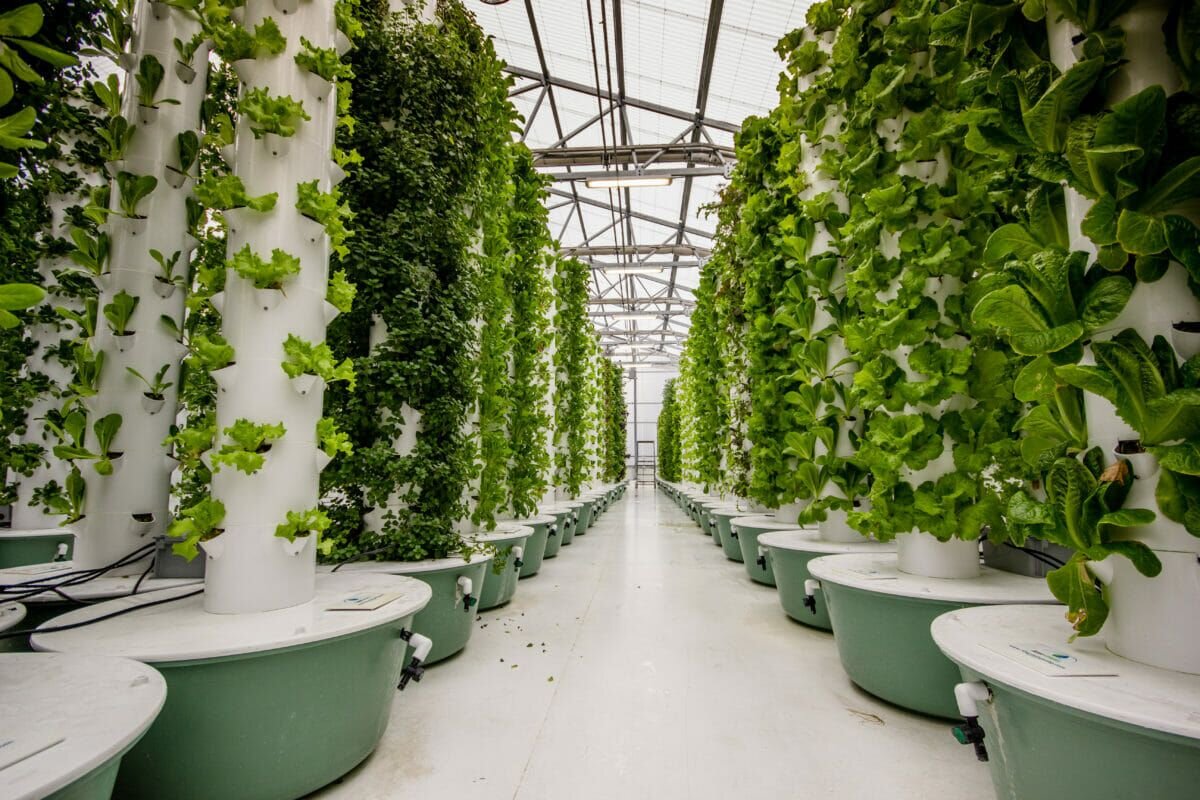
Of course, this hobby has its pitfalls, which are worth knowing in advance. First, there’s the weight issue: wet soil is very heavy, so before installation, make sure the wall or partition is rated for the additional load. In older houses with plasterboard partitions, it’s better to use free-standing shelving or trellises resting on the floor. Second, there’s the lighting issue: even sun-loving plants can struggle with British sunlight, especially from October to March. The solution is LED grow lights, which consume minimal electricity and produce a spectrum that mimics natural light. Today, they look so aesthetically pleasing that they can be incorporated into any interior, be it a loft or a classic living room.
Watering is another challenge, but it also becomes the most meditative part of the process. Vertical structures dry unevenly: the upper pockets lose moisture faster than the lower ones, so you have to develop your own irrigation system. Many gardeners use old plastic bottles with small holes, buried in the top module; water slowly trickles down, feeding all the tiers. Others install drip irrigation systems made from medical blood transfusion systems, which looks unusual but works flawlessly. The main thing is to remember drainage: without it, the roots will rot, and your green wall will turn into a swamp. But this effort is more than worth it when you cut fresh mint for a mojito or parsley for soup right from the living room wall.
In conclusion, I would like to say: vertical gardening is not just an Instagram trend, but a full-fledged philosophy of interaction with space. It teaches us to notice small miracles: how a new leaf unfurls in the light, how roots weave around a stone, how foliage changes color with the seasons. And if you’ve long wanted to try your hand at gardening but been held back by the lack of soil, cast aside your doubts. Grab an old pallet, a few pots, and start with just one pocket. In a month, you won’t recognize your apartment.