
Preparing for your first session can seem daunting, especially when faced with a 300-page rulebook. But modern game publishers understand this problem perfectly, offering “quickstarts”—20-page booklets that describe the basic mechanics and ready-made adventures for a single evening. Your job as a player is to create a character: who they are, where they come from, why they wear that strange amulet? You don’t need to write a thousand years of history; three striking details are enough. For example: “My elf ranger hates spiders, lost his brother in the forest, and always carries candied fruit.” Believe me, the game master will happily weave these hooks into the plot, and after a couple of sessions, you’ll be anxiously awaiting the arrival of that spider.
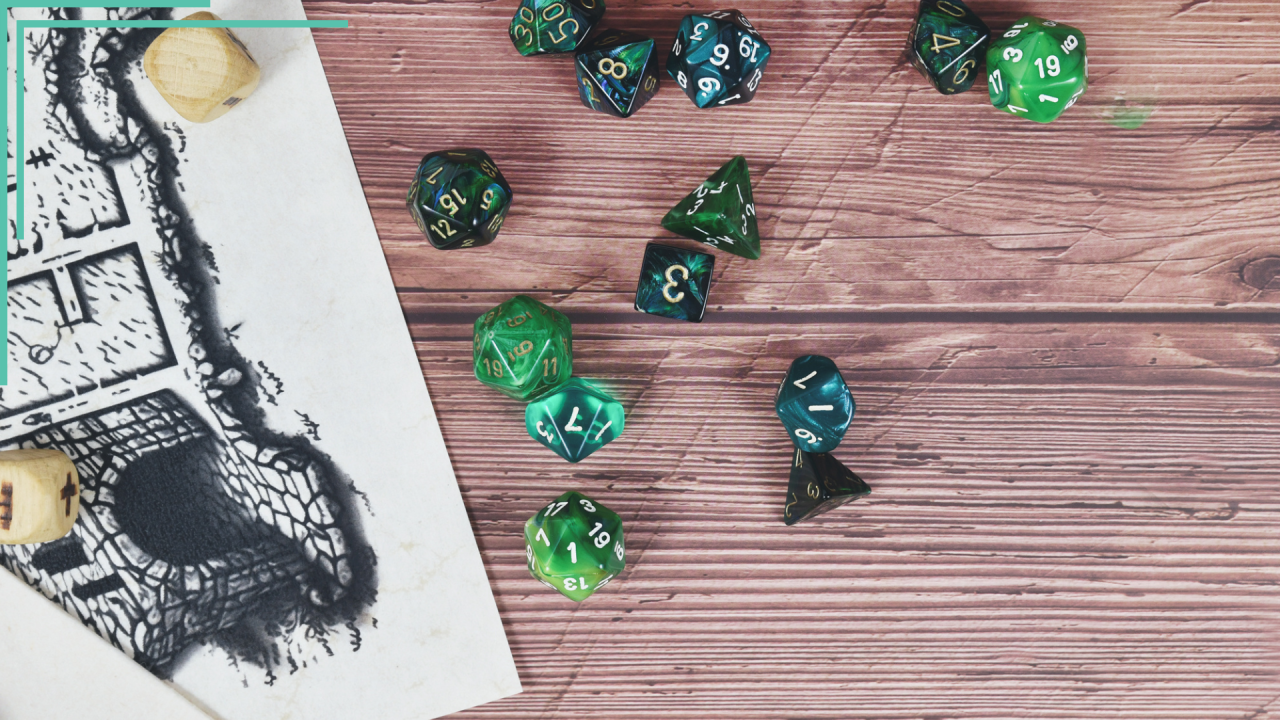
Dice deserve a special mention—a truly iconic item for roleplayers. A standard RPG set includes heptagons from d4 to d20, and many hobbyists develop into collecting them: from polished bone china to shimmering metal dice with runic engravings. Britain has its own legendary manufacturers, such as GameMaster Dice in Brighton, which makes sets from genuine amber and bog oak. It’s believed that the most beautiful dice are the best for critical hits—of course, this is a myth, but how satisfying it is to roll a twenty with a sparkling amethyst crystal! However, for a first try, regular plastic dice for five pounds from a board game store will do just fine.
Finally, it’s worth remembering that role-playing games aren’t just about fantasy and goblin slaying. The modern scene offers hundreds of systems for every taste: space noir (Mothership), Jane Austen-style love tragedies (Good Society), Lovecraftian horror (Call of Cthulhu), or even a game where you work in an office trying to finish a report before a deadline—and that’s not a joke, such a game exists and is hilariously funny. The key is to find what resonates with you.