
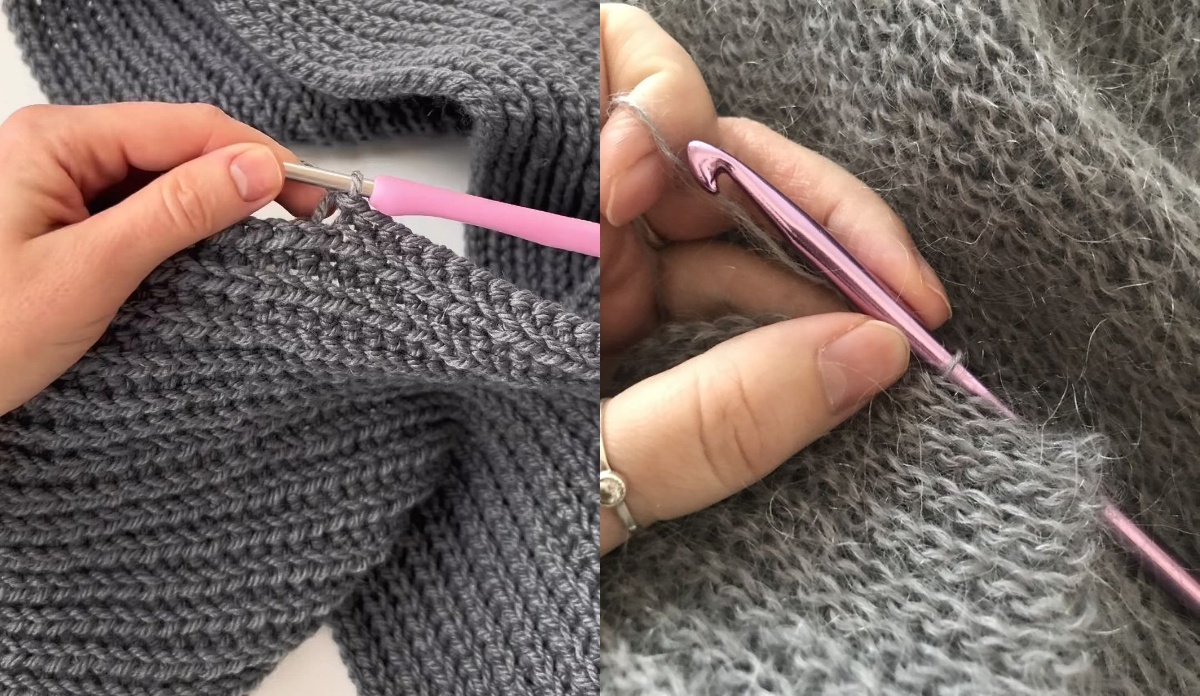
However, knitting isn’t just a solitary activity accompanied by an audiobook. The British knitting community is striking in its diversity and openness. There are “Knitting for NHS” groups where knitters knit hats and blankets for hospital patients; the “Knit the Bridge” campaign brought together hundreds of people to create a knitted installation on a bridge in Glasgow; and Cornwall hosts an annual speed knitting championship, where the winner manages to knit an adult mitten in 14 minutes. The social aspect is important for a generation that, statistically, has fewer offline friends than their parents did at the same age. Going to a local “Wool Friday,” sitting next to a stranger, and exchanging pattern tips is a natural and casual way to meet new people, devoid of the awkwardness of dates or social apps.
Paradoxically, knitting also develops mathematical skills and spatial reasoning. Calculating armhole decreases or figuring out how to knit a boomerang heel requires you to add, divide, and visualize three-dimensional shapes. Many engineers and programmers, tired of abstract codes, find solace in the clarity of knitting formulas. Moreover, a finished product is a source of pride that will never appear in a news feed or garner any likes (though likes are nice, too). You can wear a hand-knitted cardigan to the office, and your colleagues, unaware of its history, will simply see it as a beautiful piece. But you’ll know every row, every mistake, every moment you unraveled and re-knitted it, and this secret knowledge gives you incredible self-confidence.
Ultimately, knitting isn’t just a hobby, but a form of resistance to the culture of instant gratification. You no longer click links, scroll through your feed, or wait for notifications. You simply sit, move your needles, and the thread becomes fabric. It’s like meditation with a touch of practicality.