
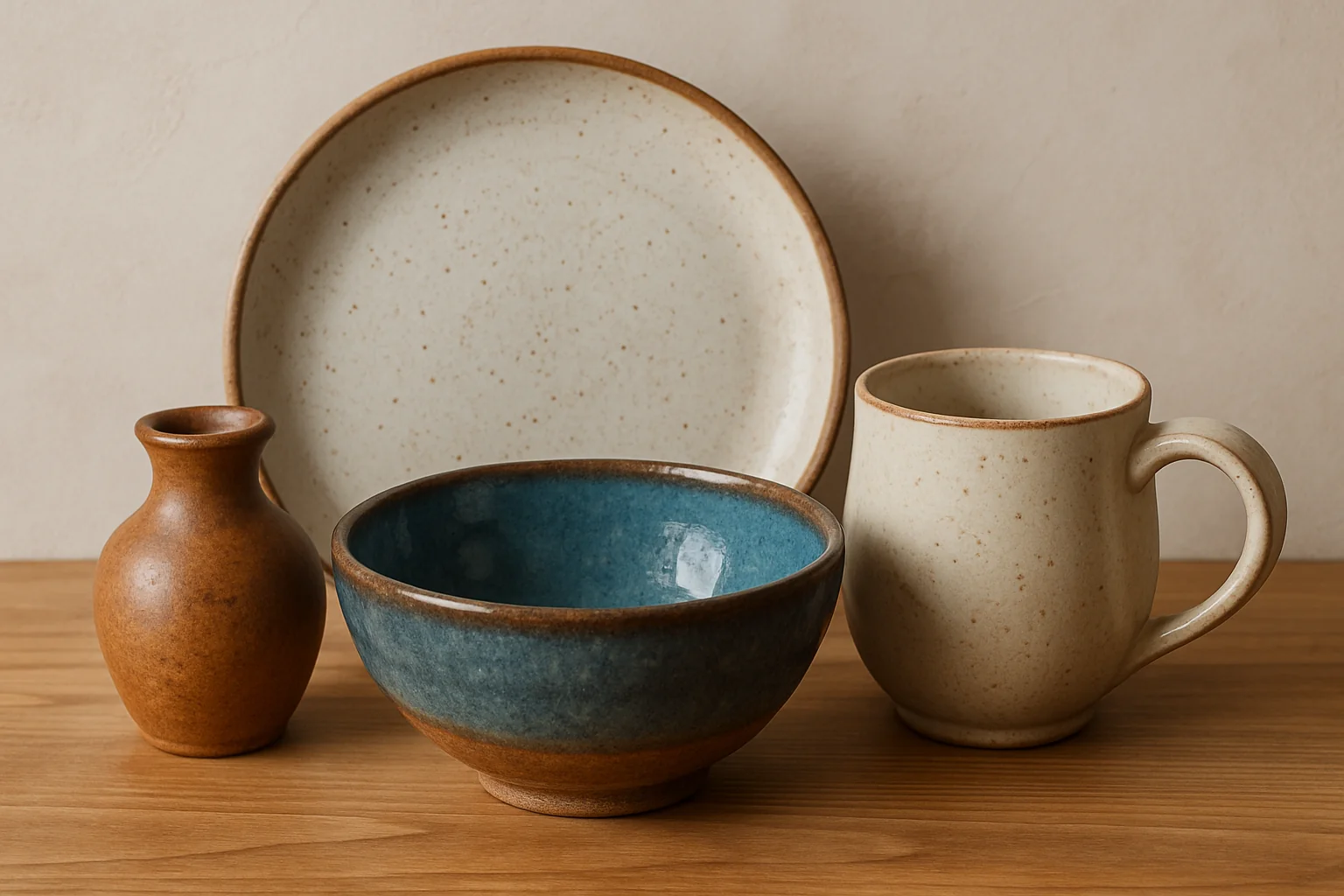
Of course, ceramics has its own infrastructure, which can seem daunting. After you’ve sculpted the piece, it needs to dry until it’s “skin-hard” (usually two to seven days, depending on the humidity in a British apartment). Then comes the first firing in a kiln at around 1000°C, which transforms the clay into a strong but porous body called biscuit. Then you glaze it (a colored glassy coating) and send it to a second firing, this time at 1200-1300°C. Setting up such a kiln at home is difficult and expensive, so most hobbyists sign up for studios that charge by the minute. In London, for example, an hour of wheel work costs around 10-15 pounds, and firing your mug will cost 5-7 pounds. It’s a bit pricey for a student, but for many, it’s a great reason to appreciate each piece they create and avoid mindless “ceramic trash.”
The modern ceramics community in Britain is incredibly supportive. Any city, no matter how large, has studios offering courses ranging from beginner to advanced decorating. Women’s groups are especially popular—they create an atmosphere akin to a yoga class, but with dirt under the fingernails. Many come simply to chat, drink tea from those same rickety mugs, and watch their neighbor sculpt a funny dragon. In the era of remote work, when we sit in front of Zoom screens all day, the physical proximity of other people engaged in the same task becomes almost a psychological necessity. These studios also often offer recycling—unsuccessful projects are crushed, soaked, and transformed into new clay. Nothing goes to waste.
Decoration is a separate part of this hobby. You can use engobes (colored clays), wet engraving, stamps, patchwork fabric pressings, or even leaves from your own garden. A friend of mine from Brighton creates a series of plates onto which he transfers the impressions of seashells found on the beach. Another friend, a former architect, builds miniature Tudor-style buildings with tiled roofs out of clay. There are no limits except your imagination and patience. And that’s the key: patience. Clay can’t be rushed. If you try to fire a wet piece, it will explode in the kiln, ruining both your work and the ones next to it. If you rush the glaze, it will run and glue the pot to the shelf. Ceramics forcibly teaches us to pause—something sorely lacking in our lives.